

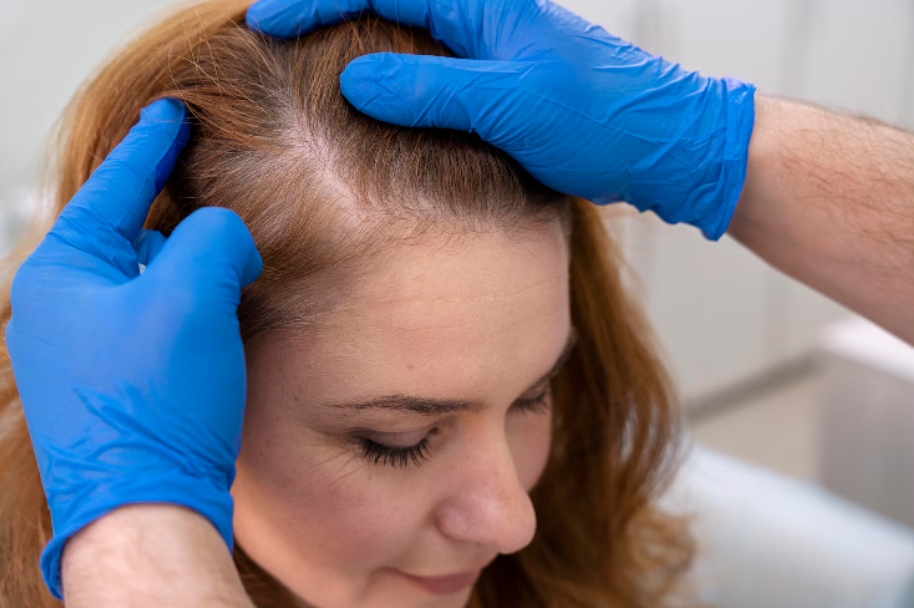
Hair plays a powerful role in shaping how people see themselves. For transgender individuals, achieving hair that reflects their gender identity can be an important part of the transition journey. Hair transplant surgery is increasingly being used by transgender patients as a way to create a hairstyle that better matches their self-image. Whether it involves addressing thinning hair, reshaping the hairline, or adding density, the procedure can make a meaningful difference in confidence and appearance.
This article explores what patients should know about hair transplant for transgender in Melbourne, including how the process differs from traditional approaches, the role of female hair transplant techniques, and what to expect before and after treatment.
Understanding Hair Transplants for Transgender Patients
What is a Hair Transplant?
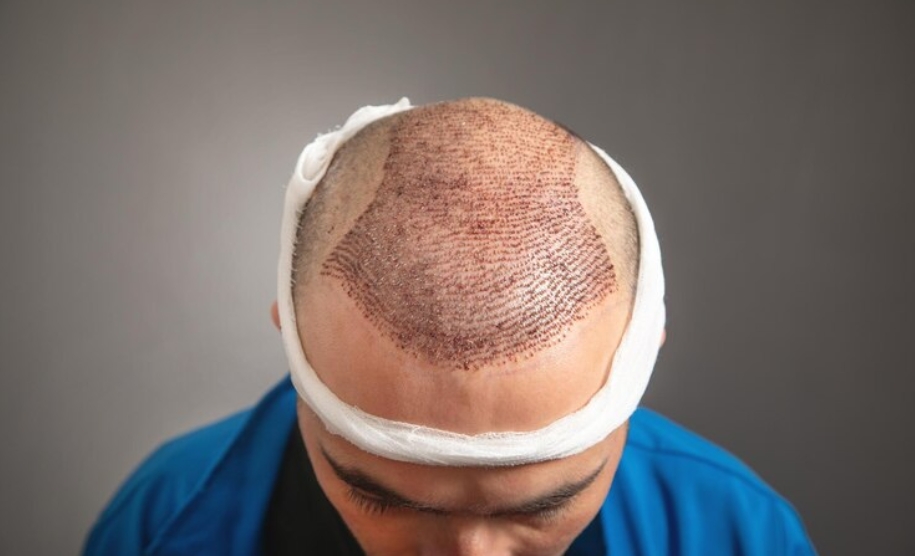
A hair transplant is a surgical procedure that involves taking hair follicles from one area of the scalp (the donor site, usually the back or sides) and transplanting them into areas where hair is thin or absent. The most common methods are:
- FUE (Follicular Unit Extraction): Individual follicles are harvested and transplanted.
- FUT (Follicular Unit Transplantation): A strip of scalp is removed and follicles are separated for grafting.
Both techniques can be adapted for transgender patients depending on their goals.
Why Transgender Patients Consider Hair Transplants
For transgender women, the main concern is often receding hairlines or thinning caused by genetics. For transgender men, hair transplants may be used to create fuller facial hair or adjust the hairline to reflect a more traditionally masculine look. Each case is unique, so treatment is tailored to the patient’s desired outcome.
Hair Transplant for Transgender Women
Restoring Feminine Hairlines
A natural feminine hairline typically has softer curves and sits lower on the forehead than a masculine one. A female hair transplant approach can lower and round out the hairline to create a more feminine shape.
Addressing Hair Thinning
Some transgender women experience thinning due to genetics or past exposure to male hormones. Transplant surgery can fill in sparse areas, adding density and improving styling options.
Role of Hormone Therapy
Hormone replacement therapy (HRT) often slows or stops hair loss in transgender women, but it does not reverse hairline recession. A transplant may be the most effective way to restore lost density in these cases.
Hair Transplant for Transgender Men
Creating a Masculine Hairline
Transgender men may prefer a hairline that is straighter and sits higher than a typically feminine hairline. Hair transplant surgery can reshape the hairline to achieve this look.
Beard and Facial Hair Transplants
For some, a key part of masculinisation is the growth of facial hair. A transplant can redistribute scalp follicles to the beard or moustache area, producing thicker and more natural facial hair patterns.
The Importance of Choosing the Right Surgeon
Experience with Transgender Patients
Not all surgeons have experience with the unique needs of transgender patients. When seeking hair transplant for transgender in Melbourne, it is important to choose a clinic that understands gender-affirming procedures and takes an inclusive approach.
Tailored Treatment Plans
Each patient has different goals. A skilled surgeon will listen carefully, assess donor hair availability, and design a transplant plan that matches the individual’s desired look.
What to Expect Before Surgery
Consultation
A consultation involves a detailed discussion about goals, medical history, and hair growth patterns. The surgeon may also use imaging tools to design a preview of the intended results.
Preparing for the Procedure
Patients may be asked to stop certain medications, avoid alcohol, and follow specific scalp care routines before surgery. Clear instructions are provided to ensure the best outcome.
The Procedure and Recovery
During the Procedure
Hair transplant surgery is usually performed under local anaesthetic. Depending on the number of grafts needed, the process can take several hours.
Recovery Timeline
- First week: Some redness, swelling, and scabbing are common.
- 2–3 weeks: Transplanted hairs may shed, which is a normal part of the process.
- 3–6 months: New hair begins to grow in the treated areas.
- 12–18 months: Final results are visible, with thicker, natural-looking hair.
Aftercare
Patients should follow post-surgery instructions carefully, including avoiding strenuous activity and protecting the scalp from direct sunlight. Regular follow-ups help ensure smooth recovery.
Combining Hair Transplants with Other Treatments
Non-Surgical Options
Some patients benefit from treatments such as growth factor therapy, PRP (platelet-rich plasma), or medication to support transplanted follicles.
Comprehensive Gender-Affirming Care
Hair transplants are often part of a broader transition plan. Working with a medical team that provides holistic support can help patients achieve the best results, both physically and emotionally.
Why Melbourne is a Leading Choice
Melbourne has become a recognised hub for advanced cosmetic and reconstructive procedures, including gender-affirming surgeries. Clinics specialising in hair transplant for transgender in Melbourne often provide inclusive environments and access to skilled surgeons with experience in tailoring results to each patient’s identity.
Final Thoughts
A hair transplant can be an empowering step for transgender individuals, helping to align physical appearance with gender identity. Whether it involves a female hair transplant to restore a soft, rounded hairline or a masculine design with added density, the procedure offers lasting and natural results.
For those considering hair transplant for transgender in Melbourne, consulting an experienced surgeon is the first step. With the right planning, aftercare, and ongoing support, patients can achieve results that not only enhance their appearance but also strengthen their confidence and self-expression.
