
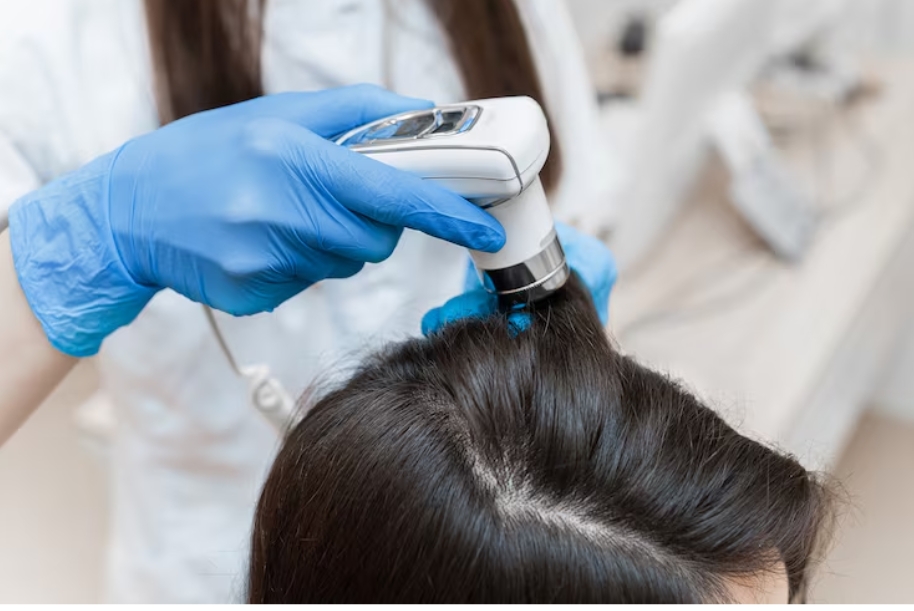
Hair loss can affect both men and women, impacting confidence and self-esteem. While surgical options like transplants are well-known, non-invasive treatments are becoming increasingly popular. One such method is Low Level Laser Therapy (LLLT), which uses safe, low-intensity light to stimulate hair growth and improve scalp health.
In Melbourne, more people are exploring Low Level Laser Therapy for hair loss in Melbourne as a practical alternative or complement to surgical procedures like the Melbourne FUT hair transplant. This article explains how LLLT works, why it’s effective, and who may benefit most from the treatment.
Understanding Low Level Laser Therapy (LLLT)
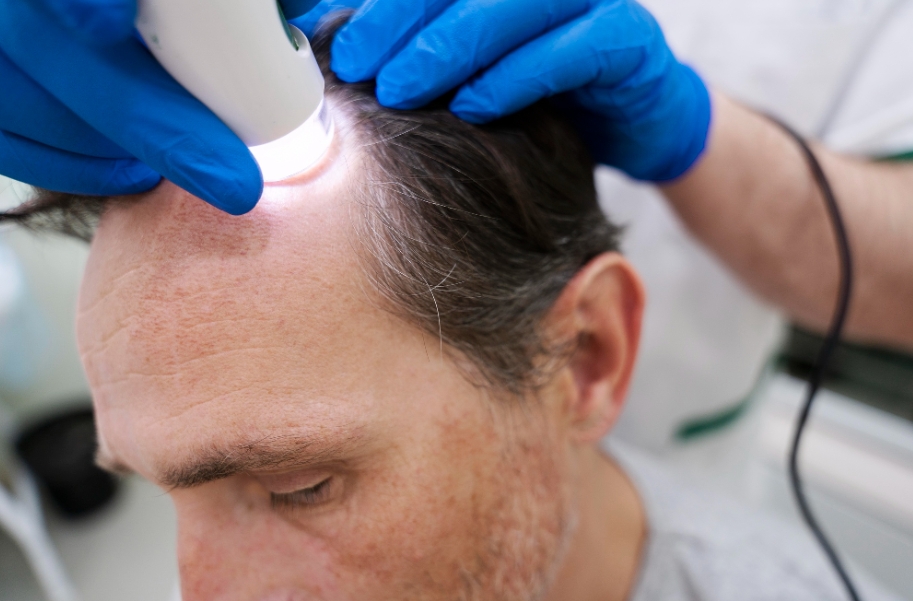
Low Level Laser Therapy is a clinically tested treatment that uses low-intensity red or near-infrared light to stimulate hair follicles. Unlike high-powered lasers used in surgery, LLLT is gentle and designed to trigger biological processes that support hair regrowth without damaging the scalp or surrounding tissue.
LLLT devices include in-clinic machines, handheld combs, and wearable caps. These deliver controlled doses of light energy to the scalp, where it penetrates the skin and stimulates the cells responsible for hair growth.
How LLLT Works for Hair Loss
The effectiveness of Low Level Laser Therapy for hair loss in Melbourne lies in its ability to improve the function of hair follicles and promote a healthier scalp environment. The process works through several mechanisms:
1. Increased Blood Circulation
Laser light improves blood flow in the scalp, ensuring that hair follicles receive essential nutrients and oxygen. Better circulation supports stronger, thicker hair growth.
2. Cellular Energy Boost
The light stimulates the mitochondria within cells, increasing energy production. This boost encourages dormant or weakened follicles to enter the active growth phase.
3. Reduction of Inflammation
Inflammation in the scalp can contribute to hair thinning. LLLT helps reduce inflammation, creating a healthier environment for hair to thrive.
4. Prolonging the Growth Phase
Hair grows in cycles, and the anagen (growth) phase is critical for thickness and length. LLLT extends this phase, allowing hair to grow longer and fuller.
Benefits of Low Level Laser Therapy
There are several reasons why LLLT is becoming an increasingly popular option for people concerned about hair thinning and loss:
- Non-invasive and painless – No needles, cuts, or surgery required.
- Safe with minimal side effects – Most patients experience no discomfort.
- Convenient – Treatments can be done at home or in a clinic, depending on the device.
- Suitable for men and women – Effective across a wide range of patients.
- Can be combined with other treatments – Works well with medications or surgical solutions.
LLLT Compared to FUT Hair Transplants
While LLLT is effective, it’s important to understand how it compares to surgical options like the Melbourne FUT hair transplant.
FUT (Follicular Unit Transplantation)
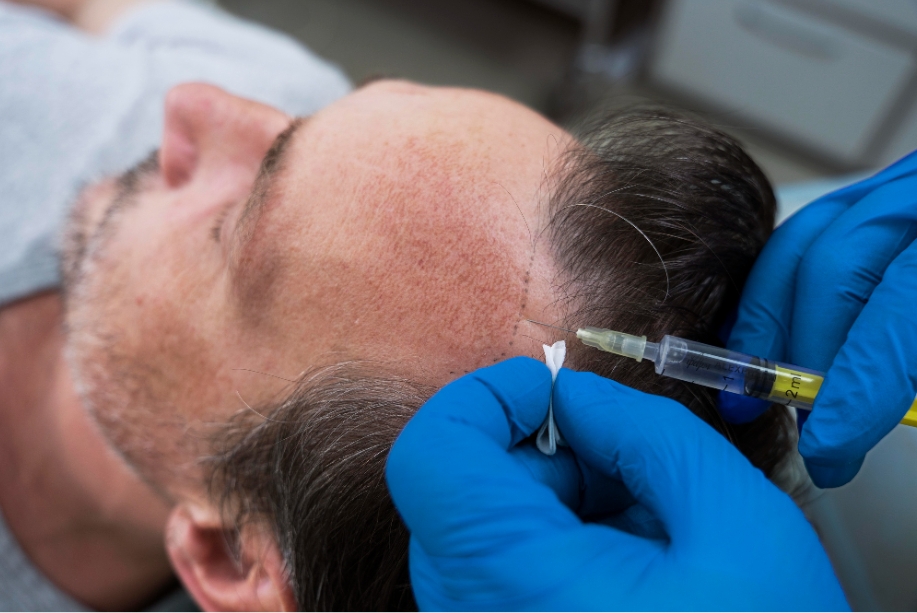
- Involves removing a strip of scalp tissue, usually from the back of the head, and transplanting follicular units to balding areas.
- Provides permanent results with natural-looking density.
- Requires downtime for healing and carries risks such as scarring.
LLLT (Low Level Laser Therapy)
- Non-surgical, safe, and painless.
- Stimulates existing follicles rather than replacing them.
- Requires ongoing sessions to maintain results.
- Works best for early to moderate hair loss.
For many patients, combining Low Level Laser Therapy for hair loss in Melbourne with surgical treatments like FUT can enhance outcomes. LLLT can strengthen transplanted hair follicles, support scalp healing, and help maintain overall hair density.
Who Is a Good Candidate for LLLT?
Not everyone will achieve the same results with LLLT. The treatment is most effective for:
- People experiencing early stages of hair thinning.
- Men and women with genetic hair loss (androgenetic alopecia).
- Patients seeking a non-invasive option before considering surgery.
- Those who have undergone a Melbourne FUT hair transplant and want to support long-term results.
Individuals with advanced baldness or inactive follicles may see limited benefits from LLLT and could require surgical intervention instead.
What to Expect From Treatment
When undergoing Low Level Laser Therapy for hair loss in Melbourne, patients should keep in mind:
- Consistency is key – Multiple sessions per week are usually required.
- Results take time – Noticeable improvements often appear after 3–6 months of regular use.
- Maintenance may be needed – Stopping treatment could lead to gradual thinning returning.
- Combination therapy enhances outcomes – Pairing LLLT with medical treatments or FUT transplants can deliver the best results.
Safety and Side Effects
One of the main reasons LLLT is highly recommended is its safety profile. It does not cause burns, pain, or scarring. Some users may experience mild scalp warmth or temporary redness, but these effects are minimal and usually resolve quickly.
Final Thoughts
Low Level Laser Therapy is an effective and safe option for people experiencing hair thinning or early hair loss. By stimulating follicles, improving circulation, and promoting a healthier scalp, it helps restore thicker and stronger hair without the need for invasive surgery.
For those exploring Low Level Laser Therapy for hair loss in Melbourne, consulting a hair restoration clinic can help determine if you are a good candidate. If you are considering surgical options such as a Melbourne FUT hair transplant, combining both treatments may deliver the best long-term results.
With the right approach, LLLT can be a valuable part of a personalised hair restoration plan that supports confidence and healthy hair growth.
