

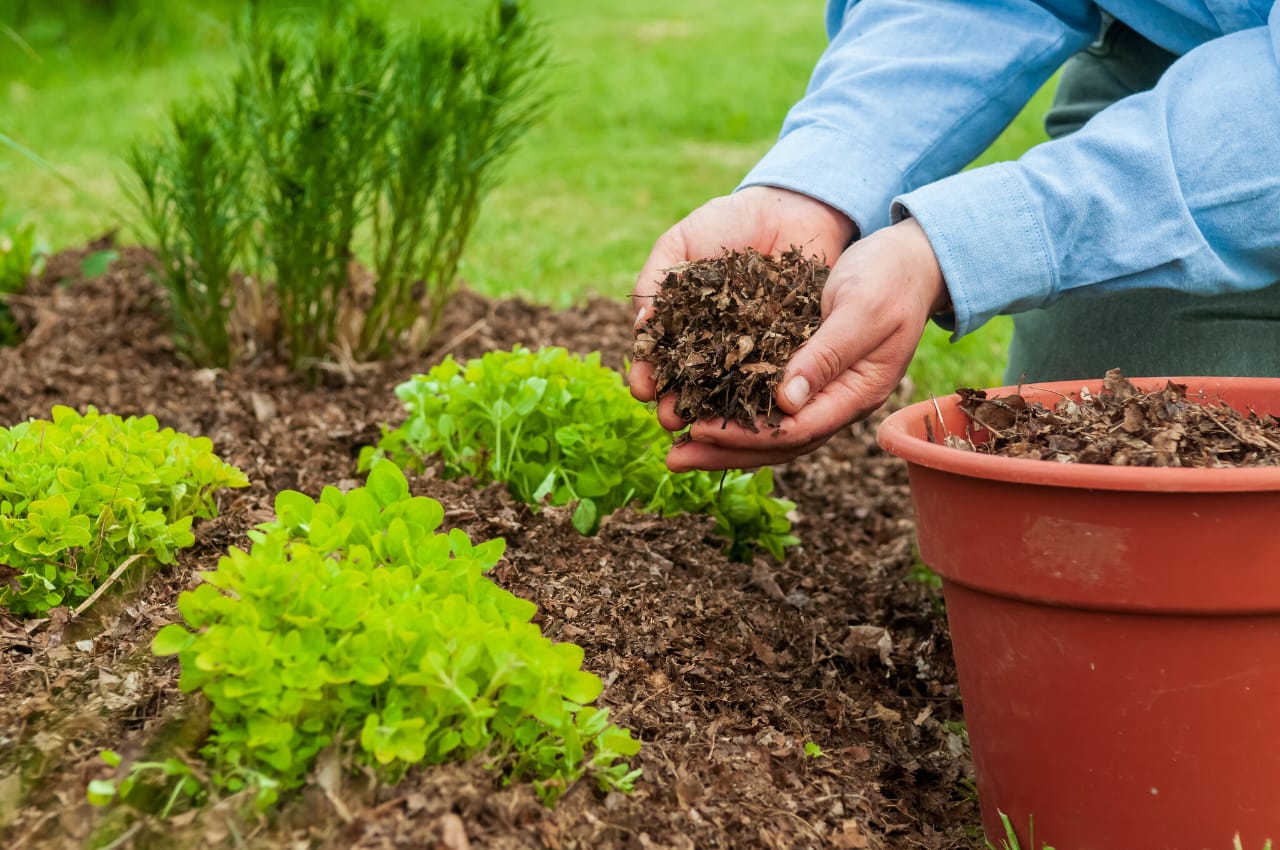
Mulch is one of the most effective, versatile, and widely used tools in gardening, landscaping, and agriculture. Whether you are tending a small backyard garden or managing a large commercial landscape, mulch plays a vital role in improving soil health, conserving water, and creating a polished, professional appearance. Despite its wide use, many gardeners still wonder what mulch actually is, what types exist, and why it matters so much.
This article examines the definition of mulch, its various types, and the numerous benefits it provides to soil, plants, and the broader ecosystem.
What Is Mulch?
In simplest terms, mulch is any material, organic or inorganic, spread over the soil surface to cover and protect it. Mulch acts as a blanket for the ground, helping regulate temperature, retain moisture, and suppress weeds. While many people associate mulch with shredded bark or wood chips, the category is actually much broader. It encompasses a wide range of materials, including compost, leaves, rocks, and recycled rubber.
Types of Mulch
Mulch generally falls into two main categories: organic and inorganic.
1. Organic Mulch
Organic mulch comes from natural, biodegradable materials. Over time, it breaks down and integrates with the soil, improving its structure and nutrient content. Popular forms of organic mulch include:
- Wood chips or bark mulch
Common in landscaping; available in various textures and colours. - Straw or hay
Frequently used in vegetable gardens and on farms. - Compost
Adds nutrients and fosters soil biology. - Grass clippings
Readily available and effective but should be used sparingly to avoid matting. - Leaves (shredded or whole)
Excellent for woodland gardens and around trees. - Pine needles
Long-lasting and good for acid-loving plants.
Organic mulches enrich the soil as they decompose, making them particularly valuable for gardens focused on long-term soil health.
2. Inorganic Mulch
Inorganic mulch consists of man-made or mineral materials that do not decompose quickly. Their primary function is weed suppression and moisture retention rather than soil enrichment. Common examples include:
- Landscape fabric or weed barrier cloth
- Gravel, pebbles, or river rock
- Rubber mulch
- Plastic sheeting (black or clear)
- Stone slabs or lava rock
These materials are typically used in areas where durability and low maintenance are priorities, such as walkways, perennial beds, or xeriscaped landscapes.
The Benefits of Mulch
Mulch offers a wide range of advantages, influencing everything from plant health and soil structure to environmental sustainability. Here are the key benefits in detail:
1. Moisture Retention
One of mulch’s most significant benefits is its ability to conserve soil moisture. Mulch acts as a barrier between the soil and the air, slowing evaporation and helping water stay where plants need it, at their roots. This is especially important during hot summers or in regions prone to drought.
Organic mulch is particularly effective because it absorbs and holds water, creating a more humid and stable microclimate within the root zone. Inorganic mulches such as rocks also reduce evaporation, although they may not retain moisture themselves.
Because mulch keeps the soil damp for longer, gardens and landscapes require less frequent watering, saving time, labor, and resources.
2. Weed Suppression
Mulch prevents weed seeds from receiving the sunlight they need to germinate. A thick layer of mulch, typically two to four inches, blocks light, making it difficult for weeds to establish themselves. Fewer weeds mean plants face less competition for water, nutrients, and space.
While organic and inorganic mulches both suppress weeds effectively, coarse or heavy mulches tend to be more long-lasting. Landscape fabric combined with a layer of wood chips is a particularly powerful weed-blocking solution.
3. Soil Temperature Regulation
Mulch insulates the soil, moderating temperature fluctuations throughout the year.
- In summer, mulch keeps the soil cooler by shading it from direct sunlight.
- In winter, it serves as a blanket, helping trap heat and insulating plant roots from freeze-thaw cycles.
Consistent soil temperatures are crucial for root health, seed germination, and microbial activity. This makes mulch especially valuable for perennials, newly planted trees, and delicate garden plants.
4. Prevention of Soil Erosion
Wind and water can quickly erode bare soil, washing away valuable nutrients and leaving plant roots exposed. Mulch provides a physical barrier that helps prevent the displacement of soil particles.
In sloped areas or gardens prone to heavy rainfall, mulch is essential for maintaining soil structure and reducing runoff. Organic mulches like straw or shredded leaves are commonly used on newly seeded lawns or erosion-prone slopes.
5. Improvement of Soil Fertility and Structure
One of the most important long-term benefits of organic mulch is the way it enhances soil health as it decomposes. As microorganisms break down materials like wood chips, leaves, and compost, they release nutrients that improve soil fertility.
Mulch also:
- Encourages earthworms and beneficial microbes
- Helps create loose, crumbly soil rich in organic matter
- Improves aeration and drainage
- Enhances root growth and plant vigor
Over time, a garden mulched with organic materials becomes easier to maintain, more fertile, and more resilient.
6. Protection From Soil-Borne Diseases
Mulch provides a protective barrier between the soil and plant foliage, reducing the chance that soil-borne pathogens will splash onto leaves during rain or watering. This is especially helpful for vegetables like tomatoes, cucumbers, and squash, which are prone to diseases carried in the soil.
By keeping plant foliage cleaner and drier, mulch lowers the risk of fungal infections and bacterial diseases.
7. Enhanced Aesthetics
In addition to its functional benefits, mulch dramatically improves the appearance of a landscape. A fresh layer of mulch creates a clean, uniform look that highlights plants and makes garden beds appear well-maintained.
Mulch comes in different colors and textures, such as natural wood tones, red or black-dyed chips, pine needles, or decorative rocks, allowing homeowners to choose a style that complements their landscape design.
8. Reduction of Soil Compaction
Heavy rains can compact soil, making it harder for air, water, and roots to penetrate. Mulch cushions the soil surface, reducing the impact of raindrops and foot traffic. This helps maintain a porous soil structure where roots can thrive.
9. Sustainability and Environmental Benefits
Mulching supports sustainable gardening by recycling natural materials and reducing dependence on fertilizers and irrigation. Yard waste such as leaves, grass clippings, or wood chips can be repurposed as mulch instead of being discarded.
Mulch also helps:
- Reduce landfill waste
- Conserve water
- Support biodiversity by promoting healthier soil ecosystems
In landscapes designed for drought resistance or ecological restoration, mulch is an essential component.
10. Root Protection for Trees and Shrubs
Mulching around trees helps protect roots from heat, cold, mechanical damage, and competition from grass. Professionals like AB Tree Lopping in Perth often use mulching as part of tree care to support healthier, more resilient root systems.
Conclusion
Mulch is far more than a decorative topping. It is a powerful tool that improves soil health, conserves water, suppresses weeds, regulates soil temperatures, prevents erosion, and enhances both plant growth and landscape aesthetics. From organic materials like wood chips and straw to inorganic options like gravel or rubber, mulch offers solutions for a wide variety of gardening and landscaping needs.
Whether you are growing vegetables, planting perennials, or designing a low-maintenance yard, integrating mulch into your soil-care routine can lead to healthier plants, less maintenance, and a more beautiful outdoor space.
