

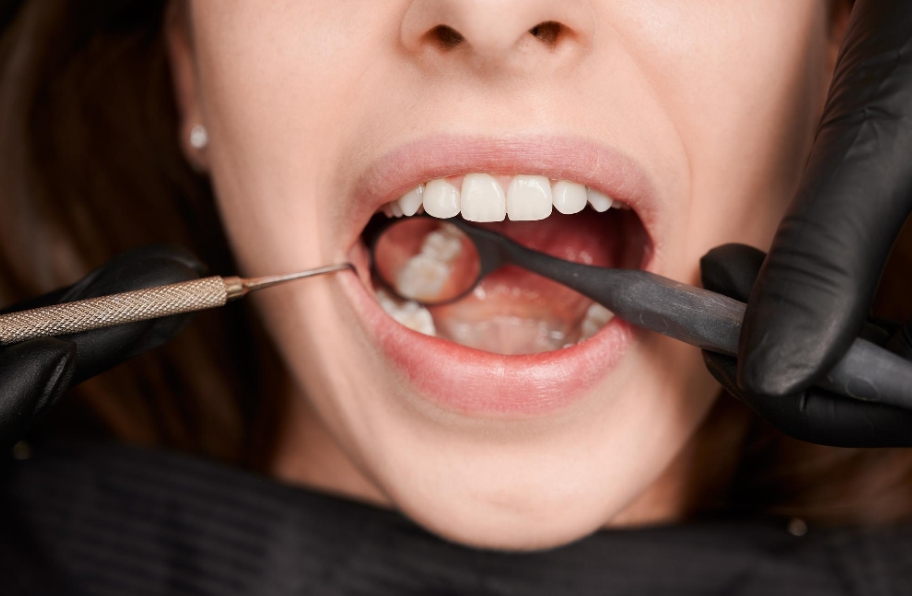
Wisdom teeth are the last set of molars that typically emerge between the ages of 17 and 25. For some people, these teeth grow without issues, but for many, they cause pain, discomfort, or dental complications. Recognising the signs that you may need wisdom tooth removal is important in preventing long-term oral health problems.
If you are experiencing symptoms and considering treatment, visiting a qualified dentist in Sydney CBD can help determine whether extraction is necessary. This article outlines the common signs, potential risks of leaving wisdom teeth untreated, and what patients can expect during and after removal.
Why Wisdom Teeth Can Cause Problems
Wisdom teeth often become problematic because the jaw does not always have enough space to accommodate them. This can lead to impaction, where the teeth are trapped under the gums or only partially emerge. Misalignment, infection, and pressure on surrounding teeth are also common.
In such cases, extraction is often the most effective way to prevent complications and maintain oral health.
Common Signs You May Need Wisdom Tooth Removal
Persistent Pain or Discomfort

One of the most obvious indicators is pain at the back of the mouth. This can feel like a dull ache or sharp discomfort, often radiating to the jaw or ear. Pain is a strong sign that wisdom teeth are misaligned, impacted, or pressing against neighbouring teeth.
Swelling Around the Jaw
Swelling or tenderness near the jawline is another common symptom. This may be caused by infection, pressure, or inflammation around the emerging tooth. Left untreated, swelling can worsen and lead to difficulty opening the mouth or chewing.
Gum Inflammation
Red, swollen, or bleeding gums at the back of the mouth may signal that wisdom teeth are trying to break through. In some cases, the gum tissue becomes infected, a condition known as pericoronitis, which requires prompt attention.
Difficulty Chewing or Biting
When wisdom teeth are misaligned, they can interfere with normal biting and chewing. This can lead to uneven pressure on the teeth, making eating uncomfortable or even painful.
Frequent Headaches or Earaches
Because of their position, problematic wisdom teeth can cause pressure that radiates into the head or ears. If you experience unexplained headaches or ear pain, your wisdom teeth may be the underlying cause.
Bad Breath or Unpleasant Taste
Food particles and bacteria can become trapped around partially erupted wisdom teeth, leading to bad breath or an unpleasant taste in the mouth. This often indicates infection or poor accessibility for proper cleaning.
Shifting Teeth
Crowding or shifting of other teeth is a sign that wisdom teeth are exerting pressure. This can undo orthodontic work or cause long-term misalignment if not addressed.
Risks of Ignoring Wisdom Tooth Problems
Leaving wisdom tooth issues untreated can result in several complications:
- Infection: Impacted or partially erupted teeth create pockets where bacteria thrive.
- Damage to Nearby Teeth: Pressure from emerging wisdom teeth can damage neighbouring molars.
- Cysts or Tumours: In rare cases, impacted wisdom teeth can form cysts, damaging the jawbone and surrounding tissue.
- Gum Disease: Difficulty cleaning around wisdom teeth increases the risk of gum disease.
- Tooth Decay: Partially erupted wisdom teeth are harder to clean, making them prone to cavities.
Early intervention reduces these risks and helps preserve overall oral health.
Consulting a Dentist in Sydney CBD

If you are experiencing symptoms, visiting a professional dentist in Sydney CBD is the best step. A dentist will usually recommend dental X-rays to determine the position of your wisdom teeth and whether removal is necessary. They will also explain the procedure, potential risks, and recovery expectations.
What to Expect During Wisdom Tooth Removal
The Procedure
Wisdom tooth removal is a common procedure performed under local anaesthesia, sedation, or general anaesthesia depending on the complexity. The dentist or oral surgeon makes a small incision in the gum, removes the tooth (sometimes in sections), and closes the site with stitches if needed.
Duration
The procedure can take anywhere from 30 minutes to an hour, depending on how many teeth are removed and their level of impaction.
Recovery
Most patients recover within one to two weeks. Swelling, mild pain, and bruising are common but usually subside with proper aftercare.
Aftercare Tips for Smooth Recovery
Manage Swelling and Pain
Cold compresses and prescribed pain relief help manage discomfort in the first few days.
Follow a Soft Diet
Eating soft foods such as yoghurt, soups, and smoothies prevents irritation of the surgical site.
Keep the Area Clean
Rinsing gently with warm salt water after the first 24 hours helps keep the mouth clean and reduces the risk of infection.
Avoid Smoking and Alcohol
Both can slow healing and increase the risk of complications.
Attend Follow-Up Appointments
Check-ups allow the dentist to monitor healing and remove stitches if required.
When to Seek Immediate Help
Although most patients recover without issues, you should contact your dentist right away if you notice:
- Severe pain that does not improve with medication
- Excessive bleeding
- Fever or chills
- Pus or foul discharge from the extraction site
- Difficulty breathing or swallowing
Prompt attention ensures any complications are addressed quickly.
Final Thoughts
Wisdom teeth do not always need removal, but when they cause pain, swelling, or alignment issues, extraction may be the best option. Recognising the signs early helps prevent complications and protect your oral health.
Visiting an experienced dentist in Sydney CBD ensures you receive the right advice and care tailored to your needs. If you are noticing symptoms such as jaw pain, gum inflammation, or shifting teeth, scheduling an evaluation could be the first step toward lasting relief. With proper treatment and aftercare, wisdom tooth removal can restore comfort, prevent further dental issues, and support long-term oral health.
