
The tattoo studio used to be a place where you proved your toughness. Gritting through hours of needle work was seen as part of the inking experience. That mindset is fading fast. These days, comfort isn’t a weakness. It’s smart planning that leads to better results for everyone involved.
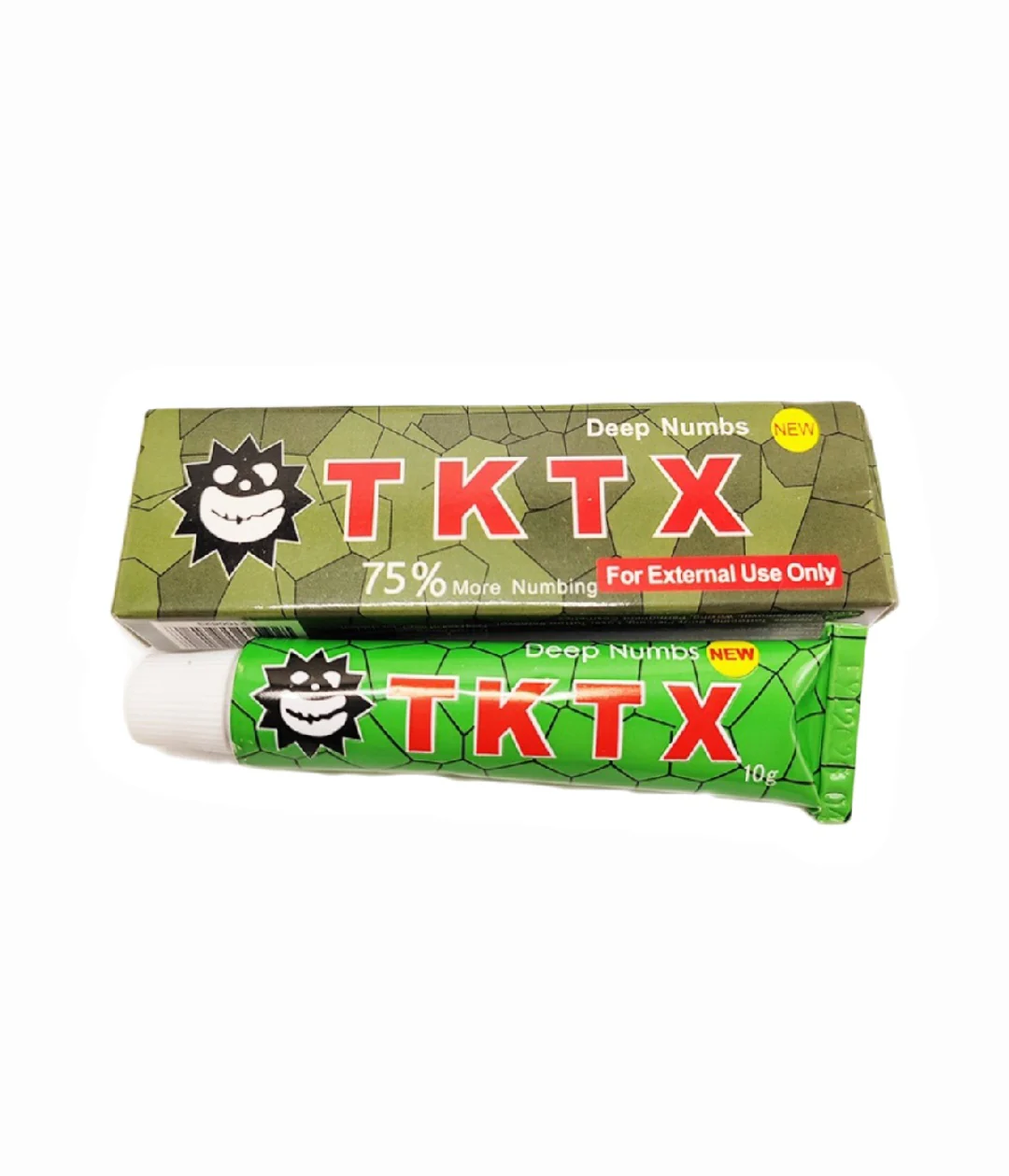
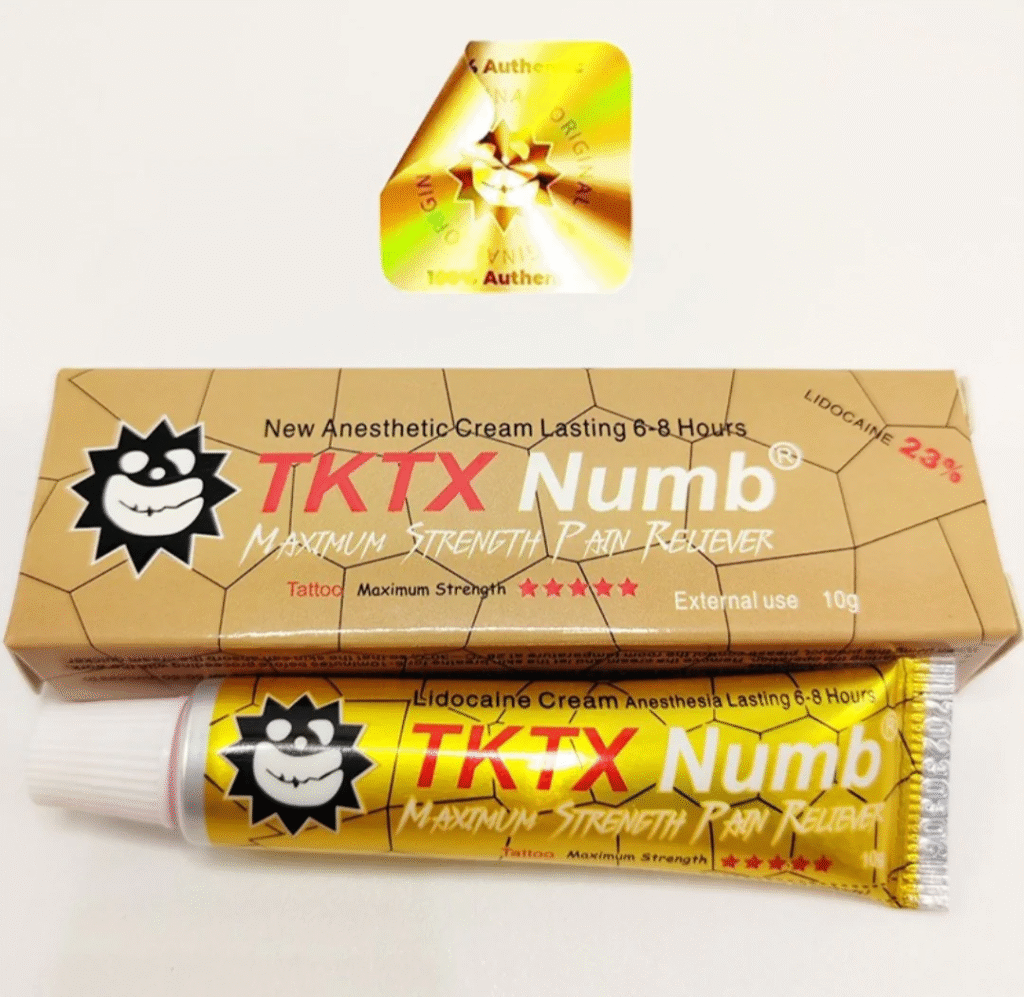
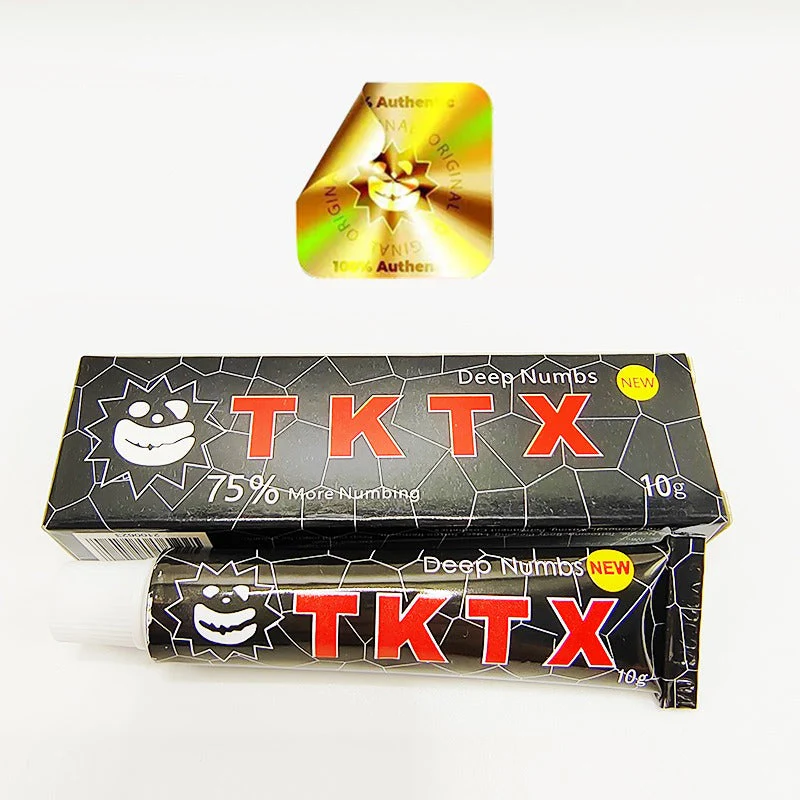
Numbing cream has quietly become a game changer in studios and treatment rooms across the country. Artists can work longer without their clients squirming under the needle. Clients can sit through intricate designs without calling it quits halfway. The shift towards pain management isn’t about going soft. It’s about creating conditions where both the artist and the person in the chair can do their best work.
Why Comfort Matters More Than You Think
Better Sessions Mean Better Art: When someone is tensing up every few seconds, it affects the final result. Muscles that stay relaxed are easier to work on. Lines come out cleaner. Shading looks more even. Artists don’t have to fight against involuntary flinching or constant position adjustments that throw off their precision.
Longer Sessions Become Possible: Big pieces take time. Without proper pain management, clients tap out early. That means more sessions, more healing time between appointments, and months added to what could have been a shorter timeline. Reducing discomfort keeps people in the chair longer and gets the work done faster.
What Artists Are Noticing
Fewer Interruptions During Work: When pain levels stay manageable, there’s less need to stop every ten minutes. Artists can maintain their flow and focus. The rhythm of the session doesn’t get broken by requests for breaks. That consistency shows in the finished piece, especially in areas requiring steady, continuous strokes.
Client Cooperation Improves Dramatically: A relaxed client is a still client. They’re not jerking away from the needle or holding their breath until they turn red. Their body stays loose, which makes positioning easier and reduces strain on both parties. The artist isn’t wrestling with someone who’s barely holding it together, and that changes the entire dynamic.
The Client Side of Things
Less Anxiety Before Appointments: Knowing pain relief is part of the plan takes the edge off pre-session nerves. People show up calmer and more ready to commit to the process. That mental shift matters because stress and tension can actually lower your pain threshold, making everything feel worse than it needs to.
More Willingness to Go Bigger: When discomfort isn’t the main concern, clients feel bolder about their choices. They’re more likely to say yes to that extra detail or agree to extend a design. The fear of unbearable pain stops holding people back from getting exactly what they want, rather than a scaled-back version.
How the Industry Is Shifting
Preparation Over Toughness: Studios are starting to treat pain management like any other part of proper prep. It sits alongside advice about hydration, sleep, and eating before an appointment. The old “just deal with it” attitude is being replaced by practical guidance that helps people get through their sessions without unnecessary suffering.
Professional Standards Are Rising: As more artists see the benefits, recommendations for topical anaesthetics are becoming standard practice. It’s not whispered about or treated like cheating anymore. Quality work comes from quality conditions, and that includes making sure the client can sit still long enough for the artist to finish properly.
Making It Part of Your Routine
Application Timing Matters: Topical anaesthetics need time to work. Applying product 30 to 60 minutes before your appointment gives active ingredients time to absorb. Rushing this step means you won’t get the full benefit when the session starts, which defeats the purpose of using it at all.
Follow Product Instructions Carefully: Different formulations have different strengths and application methods. Some need covering with plastic wrap. Others work better on clean, dry skin. Reading the directions properly makes the difference between effective relief and wondering why nothing’s working while you’re twenty minutes into your session.
The Practical Benefits Add Up
Here’s what regular users report about incorporating pain management into their preparation:
- Sessions that used to max out at two hours can now extend to four or five without major discomfort issues.
- Touch-up appointments go faster because clients can handle longer stretches of detailed work in sensitive areas.
- Recovery feels easier when the body hasn’t been fighting through stress and tension for hours.
- Overall satisfaction with the final result improves when the experience itself wasn’t traumatic or overwhelming.
What This Means Going Forward
Quality Over Endurance: The focus is shifting from how much pain someone can handle to how good the final result looks. That change benefits everyone. Clients get better artwork or treatment outcomes. Artists can push their skills without worrying about their client giving up halfway through a tricky section.
Conclusion
The conversation around pain in tattoo studios and treatment rooms is changing for good reason. Comfort supports better work, longer sessions, and happier outcomes on both sides of the chair. If you’re planning a procedure that involves extended time under a needle, consider making pain management part of your preparation. Talk to your artist or practitioner about what they recommend and how to use it properly.
