

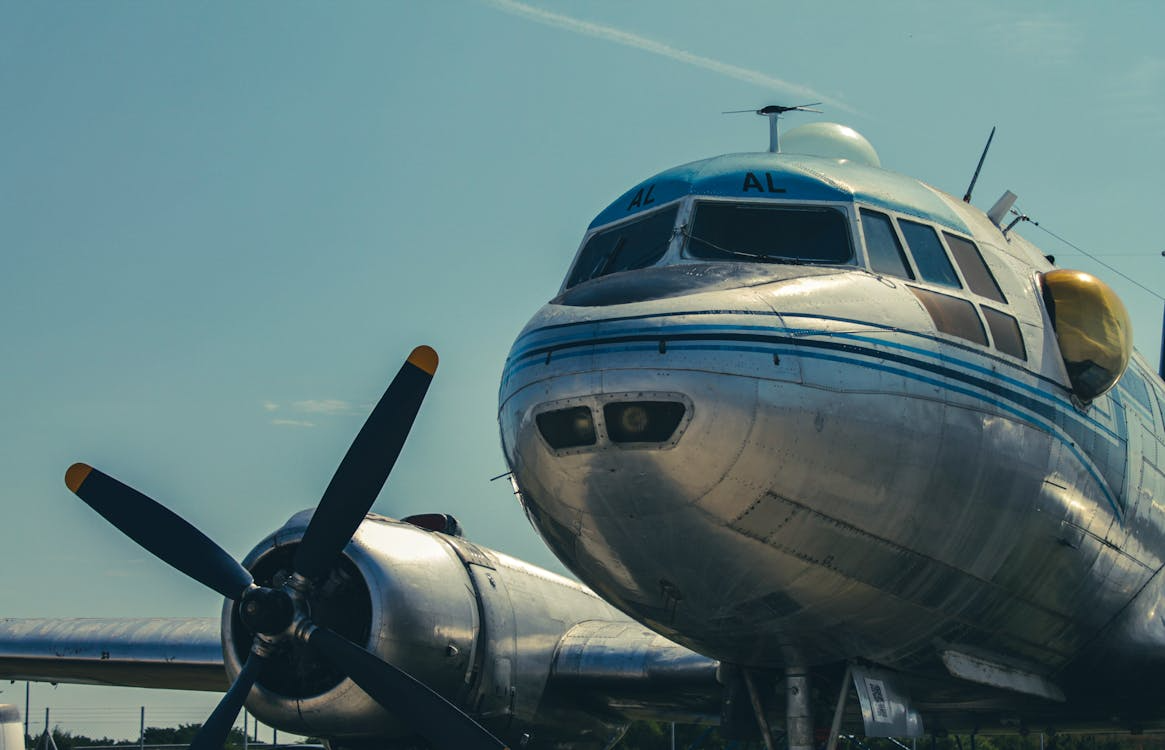
Flying can feel pretty intimidating for kids, especially when they’re taking their first trip through the clouds. Between the thunderous engine sounds, those strange sensations in their tummy during takeoff, and the idea of leaving solid ground behind, it’s no wonder some children get nervous about air travel. But here’s the thing, understanding what’s actually happening in the cockpit can make a world of difference for anxious young flyers and their parents. Pilots aren’t just winging it up there (pun intended). They’re following carefully designed procedures and protocols that have been perfected over decades to make every single flight as safe and smooth as humanly possible. When families learn about these professional practices, air travel becomes less mysterious and much less scary.
Comprehensive Pre-Flight Inspections and Checklists
Long before any aircraft pushes back from the gate, pilots are conducting inspections that would honestly impress even the most worried parent. We’re talking about systematic checks of every single critical component, from the plane’s exterior to the intricate control mechanisms tucked inside the cockpit. Pilots literally walk around the entire aircraft, examining tires to make sure they’re properly inflated and free from excessive wear. They inspect wing surfaces for any signs of damage, verify that all external lights are working correctly, and check that fuel levels are appropriate for the journey with plenty of reserves. They also verify fluid levels including aircraft oil throughout various systems, and confirm that emergency equipment is exactly where it should be and ready to use. This isn’t a quick once-over, either. The checklist system pilots use is so thorough that it leaves virtually nothing to chance, creating layer upon layer of safety verification. Potential problems get identified and fixed long before passengers even think about boarding. It’s this meticulous attention to detail that makes commercial aviation one of the safest forms of transportation on the planet.
Constant Communication with Air Traffic Control
Here’s something that might surprise you, pilots are never really flying solo. Throughout every single phase of a flight, they’re in continuous communication with air traffic controllers who are monitoring the skies like hawks. Think of it as an invisible safety net, with highly trained professionals tracking every aircraft’s position, altitude, and speed at all times. Before the plane even starts moving toward the runway, pilots receive clearance and specific instructions about their departure route. This ensures there won’t be any conflicts with other traffic. Once airborne, air traffic controllers keep pilots updated about weather conditions ahead, traffic patterns in the area, and any necessary adjustments to avoid turbulence or congestion. If anything unusual pops up, even something minor, pilots can immediately reach out to controllers for guidance and support. The redundancy built into this communication system is remarkable, too. Multiple frequencies and backup systems ensure that pilots always have access to critical information and assistance. It’s teamwork at its finest, and it means no pilot is ever truly managing everything alone up there.
Advanced Weather Monitoring and Route Planning
The weather technology available to modern pilots would’ve seemed like pure science fiction just a few decades ago. Before departure, flight crews dive into detailed meteorological reports that cover the entire route, not just the departure and destination airports, but alternate landing sites as well. They analyze satellite imagery, radar data, and sophisticated computer models that can predict weather patterns hours in advance. Pretty cool, right? Once in the air, onboard weather radar lets pilots detect precipitation, thunderstorms, and potential turbulence well before the aircraft reaches those areas.
Rigorous Training and Emergency Preparedness
The amount of training commercial pilots go through is genuinely impressive and should give families plenty of confidence about air travel. We’re not talking about a few flying lessons here. Commercial pilots must log thousands of flight hours and pass numerous rigorous examinations before they even get their licenses. Their training includes regular sessions in incredibly realistic flight simulators where they practice handling virtually every conceivable emergency scenario, from engine failures to severe weather encounters.
Multiple Redundant Safety Systems
Aircraft design includes something engineers call redundancy, which basically means there are backup systems for virtually every critical function you can imagine. Pilots understand and actively monitor these overlapping safety features throughout every flight, creating multiple protective layers. Modern commercial aircraft always have at least two engines, and here’s the thing, they’re specifically designed to fly safely on just one if that ever becomes necessary. The hydraulic systems that control flight surfaces? They’ve got multiple independent circuits, so if one system fails, it doesn’t compromise the aircraft’s control.
Conclusion
Learning about the professional practices pilots follow can dramatically ease flying anxiety for both kids and their parents. Those comprehensive pre-flight inspections, the constant communication with air traffic control, advanced weather monitoring capabilities, extensive training programs, and multiple redundant safety systems all work in harmony to make commercial aviation remarkably safe. When children discover that pilots follow detailed checklists, prepare for every possible contingency, and literally have backup plans for their backup plans, the fear of the unknown often just melts away. Parents can use this information to have really meaningful conversations with anxious young travelers, helping them understand that professional pilots take their responsibility incredibly seriously.
