

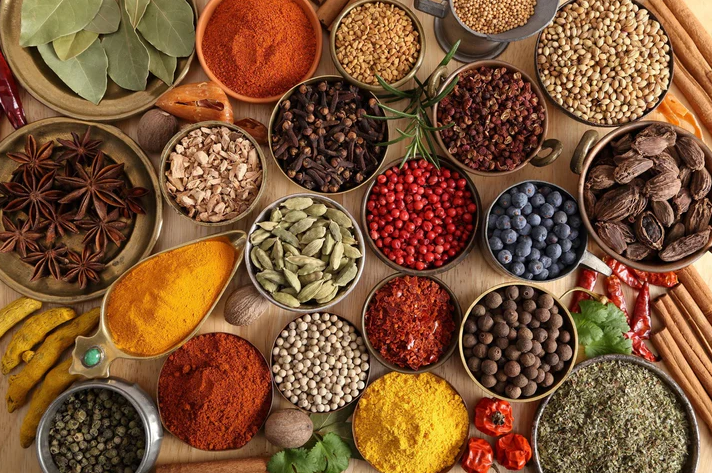
Ask most cooks why they switched to organic, and they will say something vague about health or avoiding chemicals. Fair enough. But the more interesting reason — the one that actually changes what ends up on the plate — is flavour. Not marginally better flavour. Genuinely different flavour, in a way that makes you rethink the herb drawer entirely. That shift is what sourcing good organic herbs in Australia can quietly set in motion.
Stress Produces Flavour
Here is something most herb buyers never get told. A plant that is well-fed, well-watered, and protected from pests at every turn has almost no reason to produce defensive compounds. And those defensive compounds – terpenes, phenolics, and essential oils – are exactly what make a herb taste like something. Thymol is what makes thyme sharp. Carvacrol is the heat of oregano. Rosmarinic acid is the backbone of rosemary’s bitterness. Conventional growing essentially breeds these out through comfort. The plant gets big. It just stops being interesting. Organic growing, with its variable soil, inconsistent water, and real competition from surrounding plants, keeps the herb alert — and that alertness is flavour.
The Hidden Water Problem
Nobody talks about this, but it matters. Heavy irrigation and synthetic nitrogen push fresh herbs to grow fast and retain a lot of water in the leaf. That makes them look lush in a market display. Throw them in a hot pan, though, and most of that weight steams off before the herb has a chance to do anything useful. Organic herbs in Australia grown with restrained watering tend to be denser, drier, and more concentrated. The fresh leaf looks smaller and less dramatic. But it performs better, because there is more actual herb inside it and less water standing in the way.
Certification Stops at the Farm Gate
Most buyers check whether a farm is certified. Almost none of them ask about the packing shed. In Australia, organic certification should cover every stage — growing, handling, processing, and packing. But a lot of facilities run certified organic and conventional products on the same line, with a clean-down in between. Residual pesticide dust on machinery is invisible and not something a standard wipe-down removes reliably. So, an herb that left the farm certified can pick up traces of exactly what the certification was supposed to exclude. Asking a supplier directly whether their organic product is packed on a dedicated line is a blunt question. It is also one of the most useful questions anyone in this supply chain rarely thinks to ask.
Native Varieties Get Ignored
The Australian herb industry spends most of its attention importing or replicating European varieties – basil, thyme, oregano, and sage. Meanwhile, there is a small but serious group of growers applying organic certification to native species: lemon myrtle, river mint, saltbush, mountain pepper leaf. These plants belong here. They do not need coaxing through a climate they were not built for, which makes clean, low-intervention growing genuinely easier to achieve. More importantly, organic herbs in Australia, drawn from native species, give any dish or product something that cannot be sourced from overseas at all. That is real differentiation, not just a packaging claim.
Storage Undoes Good Sourcing
The aromatic oils that make a well-grown herb worth using are volatile. They evaporate. Light breaks them down faster, heat speeds the process up, and oxygen gradually oxidises what is left. A dried herb sitting in a clear jar near a sunny kitchen window is losing its character every single day. By the time it gets used, the sourcing decision that cost extra and was made carefully has been quietly wasted. Cool, dark, airtight storage is not a nice-to-have — it is where the quality either survives or disappears.
Conclusion
The real value of organic herbs in Australia does not lie in the certification logo. It lives in the compound concentration of a plant that was grown under pressure, packed without cross-contamination, and stored properly from that point forward. Most buyers get one or two of those things right. Getting all of them right is what the difference actually tastes like. It is a tighter chain than people expect, and every weak link in it costs something that never shows up on an invoice.
