


Keratoconus is a progressive eye condition in which the cornea, the clear front part of the eye, gradually thins and bulges outward into a cone-like shape. This irregular curvature causes blurred vision, sensitivity to light, and difficulty seeing at night. While the condition can develop slowly, it often worsens over time if left untreated. The treatment approach for keratoconus depends largely on how advanced the condition is, with different strategies recommended for mild and severe cases.
This article explores how keratoconus treatment options vary according to severity and also highlights how other eye procedures, such as pterygium surgery, play an important role in overall eye health.
Understanding Keratoconus
Early Signs and Symptoms
Keratoconus typically begins in the teenage years or early twenties, with symptoms including:
- Frequent changes in glasses or contact lens prescriptions
- Blurred or distorted vision
- Glare or halos around lights
- Sensitivity to bright light
- Difficulty driving at night
Early diagnosis is crucial because timely treatment can slow or stop progression, reducing the need for more invasive procedures later.
Causes and Risk Factors
While the exact cause of keratoconus is unknown, factors that may contribute include genetic predisposition, frequent eye rubbing, and certain medical conditions such as allergies or connective tissue disorders.
Keratoconus Treatment in Mild Cases

Prescription Glasses and Soft Contact Lenses
In the earliest stages, vision problems caused by keratoconus can often be corrected with glasses or standard soft contact lenses. These options are simple and effective for mild corneal distortion.
Rigid Gas Permeable (RGP) Lenses
When vision becomes too irregular for standard lenses, rigid gas permeable lenses are often recommended. These lenses rest on the eye’s surface, creating a smooth refractive surface that corrects distorted vision.
Scleral and Hybrid Lenses
For patients who struggle with comfort in RGP lenses, scleral or hybrid lenses can be used. Scleral lenses cover a larger portion of the eye, while hybrid lenses combine a rigid centre with a soft outer edge for better comfort.
Corneal Cross-Linking (CXL)
One of the most important breakthroughs in keratoconus treatment is corneal cross-linking. This minimally invasive procedure uses ultraviolet light and riboflavin (vitamin B2) drops to strengthen the collagen fibres in the cornea. It does not reverse keratoconus but can halt its progression, making it a preferred treatment for mild to moderate cases.
Keratoconus Treatment in Severe Cases
Intrastromal Corneal Ring Segments (ICRS)
For more advanced keratoconus, small arc-shaped implants can be inserted into the cornea to flatten its shape. This helps improve vision and reduces irregular astigmatism, though many patients still require glasses or contact lenses afterwards.
Corneal Transplant (Keratoplasty)
In severe cases where the cornea is scarred or extremely thin, a corneal transplant may be necessary. There are two main types:
- Penetrating keratoplasty (PK): Full-thickness corneal transplant
- Deep anterior lamellar keratoplasty (DALK): Replacement of the front layers of the cornea while preserving the inner layer
Corneal transplants have high success rates, but they involve longer recovery times and ongoing care to prevent rejection.
Scleral Lenses for Severe Distortion
Even in advanced keratoconus, scleral lenses remain a valuable option. They provide a smooth optical surface by vaulting over the irregular cornea and resting on the sclera (the white of the eye).
Comparing Mild vs Severe Keratoconus Management
Goals of Treatment
- Mild cases: Focus on improving vision with conservative measures and slowing disease progression with treatments like corneal cross-linking.
- Severe cases: Aim to restore functional vision when corneal distortion or scarring makes conservative methods less effective.
Level of Invasiveness
- Mild cases: Non-surgical methods such as glasses, contact lenses, and cross-linking.
- Severe cases: Surgical interventions such as corneal ring implants or transplants.
Long-Term Prognosis
Patients diagnosed early and treated appropriately often avoid progression to severe stages. Those who delay treatment may eventually require complex surgery to restore sight.
The Role of Pterygium Surgery in Eye Health
Although unrelated to keratoconus, pterygium surgery is another common eye procedure that highlights the importance of managing eye conditions promptly. A pterygium is a benign growth on the surface of the eye that can cause redness, irritation, and vision obstruction if it extends onto the cornea.
Like keratoconus, timely treatment of pterygium helps preserve vision and comfort. Both conditions underscore how essential early intervention is in protecting long-term eye health.
Lifestyle Considerations for Keratoconus Patients
Avoid Eye Rubbing
One of the strongest links to keratoconus progression is frequent eye rubbing. Patients should be mindful and seek treatment for underlying allergies that trigger the habit.
Protect the Eyes
Wearing sunglasses outdoors protects the eyes from harmful UV rays, which may help slow keratoconus progression.
Regular Check-Ups
Patients with keratoconus need consistent monitoring to track progression. Early adjustments to treatment can make a significant difference in long-term vision outcomes.
Why Early Diagnosis Matters
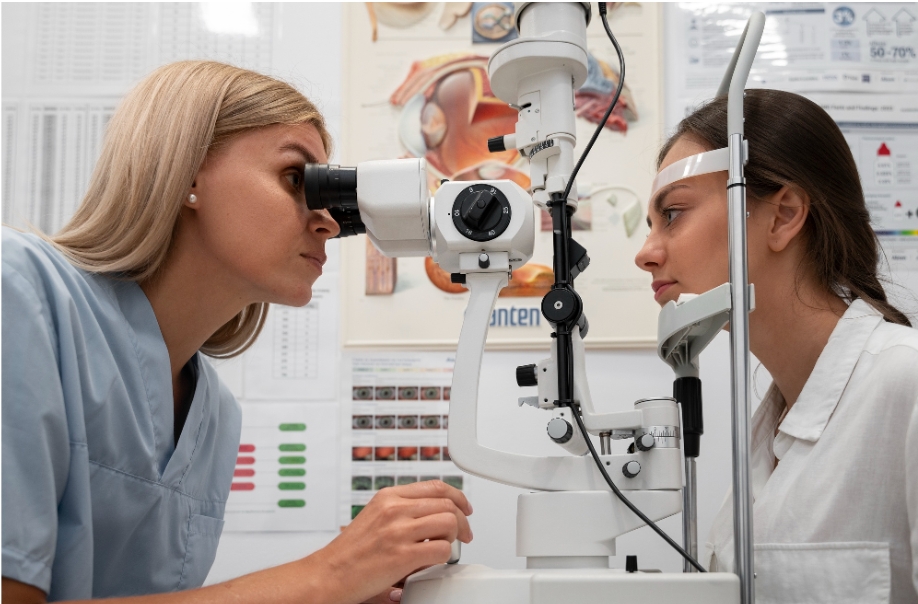
The biggest difference between mild and severe keratoconus treatment lies in timing. When the condition is detected early, interventions like corneal cross-linking can preserve vision and reduce the likelihood of needing surgery. On the other hand, delayed diagnosis often results in severe corneal thinning that requires complex procedures such as transplants.
Eye specialists stress the importance of regular check-ups, especially for people with a family history of keratoconus or symptoms of frequent prescription changes and unexplained vision blurriness.
Final Thoughts
Keratoconus is a challenging condition, but modern treatments make it highly manageable when diagnosed in its early stages. Keratoconus treatment for mild cases typically includes glasses, specialised lenses, and cross-linking, while severe cases may require surgical options such as corneal implants or transplants.
At the same time, maintaining good eye health through protective measures and addressing other conditions like pterygium with timely pterygium surgery is equally important.
Ultimately, the key to managing keratoconus lies in early detection, personalised treatment, and ongoing care. With the right approach, patients can protect their vision and maintain a high quality of life.
