

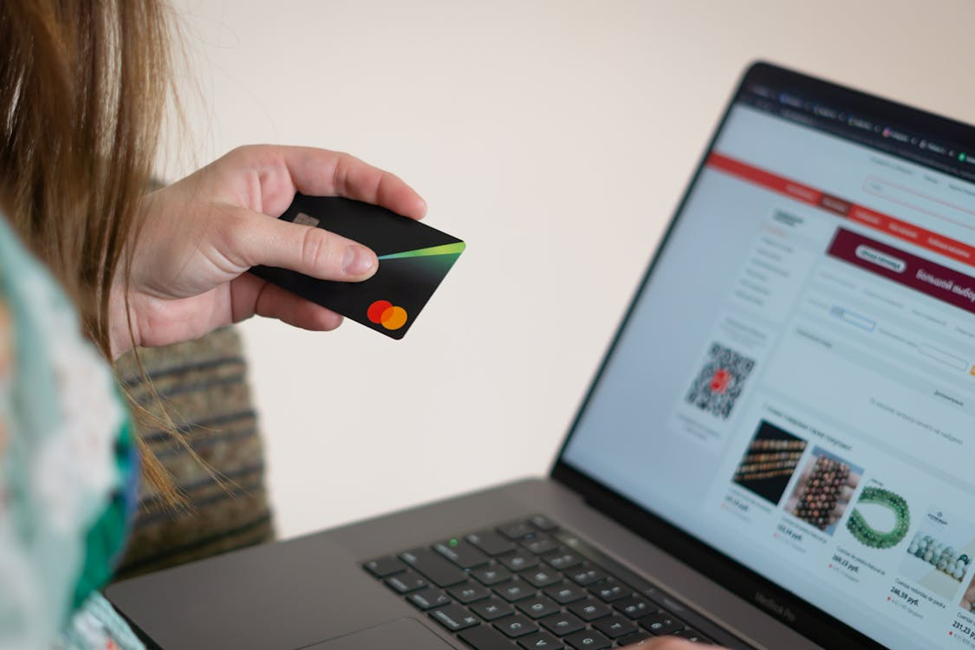
Walking into a bank and dealing with a bank teller was once a weekly occurrence. However, your entire financial life can be managed within your pocket, and the way you deal with your money is completely different. But by the year 2026, Australians are overwhelmingly choosing digital banking as a way of dealing with their money, as opposed to traditional brick-and-mortar banking. The way this has changed is that mobile applications are no longer simply tools for checking your bank balance. Instead, they are highly evolved and comprehensive financial tools.
In this post, we are going to look at exactly why local consumers are choosing to deal with their money in this way. We are going to look at how new technologies and regulations are actually dictating the future of Australian finance. And you are going to learn exactly what this means for your financial well-being.
The Rise of Mobile-Integrated Financial Services
Digital banking has officially become the way that Australians deal with their money. The smartphone allows for everything from complex financial tools, such as applying for a mortgage, to simple tools, such as dividing a check for a night out with your friends. The fact that this is all integrated within financial institutions means that it has never been easier to deal with your money. In fact, you don’t even need to look any further than your phone screen to manage your wealth.
With the help of artificial intelligence, you are able to understand exactly where your paycheck goes every month. In fact, mobile-integrated financial services have effectively placed a highly skilled financial advisor within the palm of your hand, available to you at any time of the night or day.
Leaving the Physical Branch Behind
The continuing decrease in the number of physical bank branches in the Australian suburbs and regional cities is impossible to miss. The simple truth is that people just want the convenience of managing their money from the comfort of their own homes or during their daily commute. Digital-first banking provides absolute freedom and flexibility without the frustrating constraints of standard business hours.
Whether one needs to make large money transfers in the dead of night or freeze a misplaced debit card on a Sunday afternoon, the answer is just an instant away with the banking app. There is no need to wait until Monday morning to fix a pressing financial problem. The level of immediate accessibility has made the traditional branch visit seem like an unnecessary and time-consuming chore for most people.
Regulatory Evolution and Compliance Automation
Of course, trust is one of the largest factors in all financial decisions. However, with the shift to digital-first banking in Australia, the financial ecosystem has evolved at lightning speed to make sure that consumer data is perfectly safe. Australian financial regulators have put in place extremely stringent rules and regulations, such as the Consumer Data Right, to make sure that digital-first banks are able to protect their customers against fraud and modern cyber threats.
In order to meet these extremely high standards, financial institutions have to rely on compliance automation. Advanced software automatically monitors thousands of transactions in real time and instantly flags any suspicious activity before any actual damage is done. This invisible layer of security provides the average Australian with the confidence they need to take advantage of digital banking without the constant threat of fraud and cyber threats.
Embracing the Future of Personal Finance
This is not a transition, but rather a permanent shift in how Australians think about their money. Having control of your finances through a well-designed mobile application, such as that of ING Bank, is not only extremely convenient but also provides tremendous financial knowledge and security.
If you’re still hanging on to traditional banking, then now is the perfect time to take advantage of the digital banking tools that your financial institution offers. This is done by first downloading your bank’s mobile application and utilising its budgeting tools!
