

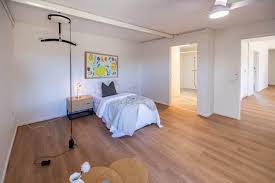
People often refer to supported living as a house. A vacancy. A room. An address.
But anyone who’s worked close to it knows that supported living isn’t really about buildings. It’s about days. Mornings that start slow. Evenings that need structure. Appointments that can’t be missed. Meals that aren’t just food but routine, confidence, and sometimes the highlight of the day.
This is where SIL in Adelaide actually lives. In the everyday flow of life, not the listing.
And when it’s done well, it doesn’t feel like a program. It feels like support that understands how people really live.
The Difference Between Accommodation And Living
There’s a quiet misunderstanding that floats around supported living. The primary role is to provide accommodation.
In practice, supported independent living is far more layered. It’s daily assistance. It’s emotional regulation. It’s skill-building. It’s safety. It’s consistency. It’s knowing when to step in and when to step back.
Services delivering SIL in Adelaide are working in that layered space. Supporting people to cook, clean, attend appointments, manage routines, build relationships, and handle the moments that don’t fit neatly into a plan.
This is why strongly supported living services focus less on rooms and more on rhythm. How a household actually functions. How individuals experience their own independence within shared environments.
Adelaide Brings Its Own Pace To Supported Living
Every city shapes its services differently.
Adelaide’s supported living landscape is shaped by community scale, local provider networks, and the reality that many participants balance formal supports with strong family or community ties.
Good SIL in Adelaide services understand this. They work with families, not around them. They know local health systems. They build relationships with community organisations. They understand transport realities. They know that consistency often matters more than intensity.
This local grounding changes how supported living feels. It becomes less like a service layer added on top of life and more like something woven into it.
Supported Living Is Built On Ordinary Moments
Most of supported living consists of things people outside the space might never notice.
Morning routines that help someone start their day in a regulated, rather than rushed, manner. Support workers who understand how someone prefers their tea, how much space they need before talking, when humour helps, and when quiet helps more.
It’s supporting someone through grocery shopping without taking over. It’s cooking together rather than cooking for. It’s helping someone attend appointments without removing their voice from the room.
This is the everyday work of SIL in Adelaide services. Not a crisis response, although that matters. Not paperwork, although that supports the system. The real work is relational.
And it’s cumulative. Small supports, repeated daily, build stability in ways no single appointment ever could.
The Household Is Part Of The Support Model
Supported living doesn’t happen in isolation. It happens in shared kitchens, living rooms, and routines. It’s shaped by who lives together, how staff rotate, how communication flows, and how decisions are made.
Strong supported living services take household dynamics into account. Who might complement each other. How shared supports can work without becoming restrictive. How individual goals can still be honoured within group settings.
In SIL in Adelaide, this household planning is one of the quiet success factors. When it’s done well, homes feel calmer. Conflicts reduce. Support becomes more preventative than reactive.
And most importantly, people feel like participants in their own environment rather than guests in a service model.
Where Professional Support Really Shows Up
Anyone can follow a roster. Professional supported living services do far more than that.
They notice changes in mood. Shifts in sleep. Drops in motivation. Patterns that suggest something deeper is happening. They communicate across teams. They adjust supports. They involve allied health when needed. They support families through transitions.
Providers delivering SIL in Adelaide are often the first to see early signs that something isn’t working. A support worker notices someone withdrawing. A coordinator sees patterns in missed appointments. A team leader recognising growing anxiety.
Good services respond before those signs turn into crises.
That responsiveness is what separates accommodation from supported living.
Independence Is Not The Absence Of Support
One of the most important things supported living services learn is that independence doesn’t mean being left alone.
It means being supported in ways that grow confidence rather than replace it.
In strong SIL in Adelaide programs, independence is built through participation. Through choice. Through supported risk. Through space to try and find safe places to land.
Support workers don’t just complete tasks. They involve. They explain. They adapt. They step back when someone is ready. They step in when safety or stability is at risk.
Over time, this approach reshapes how people see themselves. Not as service recipients, but as people directing their own lives with the right scaffolding around them.
The Emotional Side Of Supported Living
Supported living is deeply human work.
People bring histories. Trauma. Joy. Frustrations. Ambitions. Grief. Progress that moves in waves, not lines.
Services providing SIL in Adelaide operate inside that emotional landscape every day. They build trust. Repair ruptures. Celebrate small wins. Hold space for setbacks without letting them define the future.
This emotional labour isn’t written into most brochures, but it underpins everything. Without it, routines become rigid. Support becomes mechanical. Homes lose warmth.
With it, supported living environments become places where people feel seen, not managed.
When Supported Living Adapts, Not Controls
Life changes. Support needs change. Goals change. Households change.
Strong supported living services design flexibility into their model. They review routines. They adjust staffing. They listen to participants. They invite feedback. They evolve.
In SIL in Adelaide, adaptability matters because people’s lives are not static. Someone who needs high daily support today may move toward more independence over time. Someone who has been stable may experience new challenges. Someone’s goals may shift completely.
Supported living works best when it can move with those changes rather than resist them.
The Role Of Collaboration
Supported living doesn’t operate in a bubble. It sits alongside therapy, community participation, health services, families, and informal networks.
Providers delivering SIL in Adelaide often serve as the link between these supports. They share insights. Coordinate care. Support consistency. Advocate when systems don’t align.
This collaboration improves outcomes. It reduces duplication. It ensures the person at the centre isn’t forced to retell their story to every service from scratch.
It also strengthens households. When everyone shares the same understanding, support becomes steadier, calmer, and more predictable.
What People Often Notice First
Participants and families rarely begin by discussing policies.
They talk about atmosphere.
Does the home feel calm? Are staff consistent? Is communication clear? Are concerns taken seriously? Do people feel respected? Is progress supported? Routines are predictable but not rigid.
These are the lived markers of quality SIL services in Adelaide. And they matter more than any feature list.
Because supported living is not something people visit. It’s something they wake up inside.
What Supported Living Leaves Behind
Over time, strongly supported living doesn’t just provide assistance.
It builds capability.
It strengthens routines.
It supports emotional regulation.
It develops life skills.
It fosters relationships.
It creates safer independence.
This is the quiet outcome of SIL in Adelaide from Aeon Disability Services, done well. Not a dramatic change overnight. But steady growth that reshapes how people experience their own lives.
When that happens, supported living ceases to be a service category.
It becomes a foundation.
