

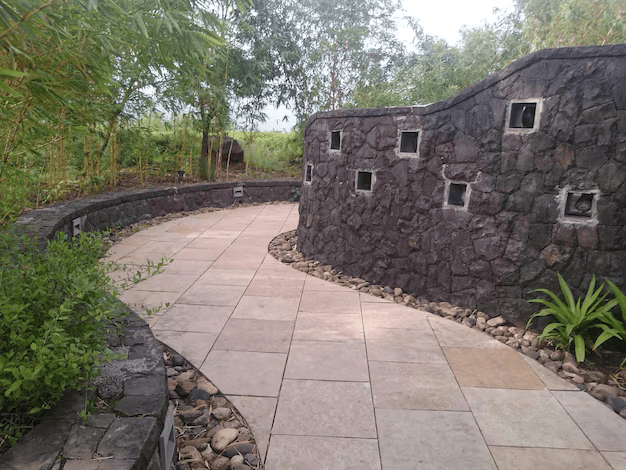
Designing a driveway on a sloped block can feel a bit like trying to park on a hill in peak-hour traffic. It feels intimidating at first, but totally manageable once you know what you are doing. In Australia, sloping sites are super common, especially in newer suburbs and hilly coastal areas around Sydney. That is why working with experienced natural stone suppliers and choosing the right driveway pavers in Sydney becomes even more important when you are dealing with a slope.
But a slope doesn’t have to ruin your plans. In fact, with the right design choices, it can actually add character and value to your home. Whether you are building new or upgrading an existing driveway, here is a simple guide to what actually works on sloped blocks and what usually ends in regret.
Why Sloped Driveways Need Extra Thought
A flat, traditional driveway is easy to get right. But a sloped one demands far more thought. On a slope, everything matters more, be it grip, drainage, material choice and even how the driveway meets the road and garage.
A poorly designed sloped driveway can lead to –
- Cars slipping during rain
- Water running straight into your garage
- Cracked surfaces from pressure and movement
- Constant repairs
That is why working with trusted natural stone suppliers and choosing the right driveway pavers in Sydney is not just about how your space looks. It is also about safety and long-term performance.
What Works on Sloped Driveways
1. Textured, Grip-Friendly Materials
‘Never go smooth’. If there is one golden rule for sloped driveways. Highly polished or slick finishes might look nice in photos, but on a slope, they are a nightmare when it rains.
Home design experts suggest using natural stone pavers with honed and unfilled finishes. They provide naturally sturdy grip under tyres and shoes, even when wet. Granite and Bluestone are considered the strongest natural stones. You can also go for cobblestone driveway pavers made with these natural stones. They increase traction and give excellent control over steep gradients. Plus, they also look timeless and suit everything from classic homes to modern builds.
2. Breaking the Slope into Sections
Long, steep driveways can feel visually and practically overwhelming. One smart trick is to break the slope into smaller sections using –
- Subtle level changes
- Slight curves
- Defined borders in the paving pattern
This not only improves safety but also makes the driveway easier to drive on and more interesting to look at. It is a simple design move that makes a great difference.
3. Proper Drainage
Water and slopes are best mates and that is not a good thing for your driveway. Without proper drainage, rainwater will race downhill, taking sand, dirt and sometimes parts of your driveway with it.
What works –
- Channel drains at the bottom to catch the water
- Small, gentle slopes that help water run away instead of pooling
- Permeable joints that let water soak through when it rains
Good drainage protects your driveway, your garage and your peace of mind.
4. The Right Paving Layout
Layout matters more than people realise. On sloped driveways, interlocking patterns help hold everything in place and reduce movement over time. Cobblestone layout is one of the most chosen and ideal options. Cobblestone driveway pavers bring a sophisticated European feel, are highly durable and distribute weight better.
Mistakes You Should Avoid
1. Smooth Concrete or Glossy Finishes
This is probably the most common mistake. Smooth concrete might be cheaper upfront, but on a slope, it can become dangerously slippery, especially during wet winters.
Many homeowners only realise the problem after the first heavy rain. At that point, fixing it is far more expensive than choosing the right material from the start.
2. Ignoring the Transition Points
Where your driveway meets the road or garage matters a lot. Poor transitions can cause cars to scrape, water to pool or paving to crack under pressure. Successful sloped driveway designs pay close attention to these connection points and adjust levels gradually rather than abruptly.
3. Going Too Cheap on Materials
We get it that you need to set a certain budget. But cutting corners on materials for a sloped driveway almost always backfires. Thin pavers, weak bases, low-quality materials or poor finishes struggle under constant downhill pressure. Investing in durable natural stone or cobblestone driveway pavers saves money in the long run because they are built to last and age beautifully.
4. Forgetting About Maintenance
Some designs look amazing on day one but are a pain to maintain. Loose gravel, for example, shifts downhill constantly and needs regular maintenance. Well-laid stone pavers with proper edging and jointing are far easier to live with, especially on a slope.
Practicality and Beauty – Consider both
Just because a driveway is practical doesn’t mean it has to be boring. Sloped driveways are a great opportunity to make a statement. Natural stone adds a unique personality, elegance and warmth and works beautifully with Australian architecture. Using premium driveway pavers also boosts resale value.
So, when you search for driveway pavers in Sydney, make sure you choose high-quality natural stones that serve your space for years.
Conclusion
A sloped block is not a design flaw, but it is just a design challenge. With the right materials, smart drainage and thoughtful layout, your driveway can be safe, durable and seriously beautiful. Focus on sturdy grip, durability and long-term performance. Make sure you avoid shortcuts. And when in doubt, choose quality stone and experienced installation.
