

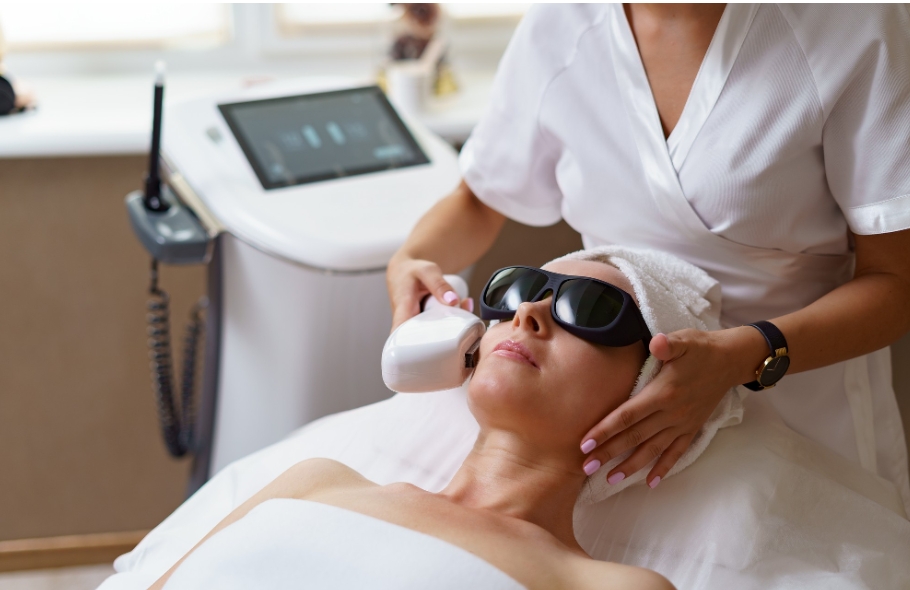
Skin health plays a vital role in overall appearance and confidence, but many people struggle with concerns like acne, sun damage, fine lines, and uneven skin tone. Among the growing range of advanced skin treatments, photodynamic therapy (PDT) has become a highly regarded option for those looking to achieve clearer and healthier skin.
Unlike harsh treatments that can damage the skin’s natural barrier, PDT uses a gentle yet effective approach to target problem areas while promoting healing. When combined with proper aftercare, including the right skin care cream, the results can be long-lasting and transformative.
In this article, we’ll explore how photodynamic therapy works, its benefits, safety, aftercare tips, and why it’s becoming a popular choice for improving skin health.
What Is Photodynamic Therapy?
Photodynamic therapy is a non-invasive skin treatment that uses a combination of a light-activated photosensitising agent and a specific wavelength of light to treat various skin conditions. The process targets damaged or problematic skin cells while preserving the surrounding healthy tissues.
The therapy is widely used for:
- Treating acne and reducing oil production
- Minimising sun damage and pigmentation
- Smoothing fine lines and wrinkles
- Improving overall skin texture and tone
Because it works at a cellular level, PDT can rejuvenate the skin without the need for invasive procedures or long recovery times.
How Photodynamic Therapy Works
The treatment involves three main steps:
1. Application of the Photosensitising Agent
A specialised solution is applied to the targeted areas of the skin. This solution is absorbed by damaged or overactive cells, making them more responsive to light treatment.
2. Light Activation
A specific wavelength of light is then directed onto the treated area. This activates the solution, triggering a natural chemical reaction that helps destroy problematic cells while stimulating skin regeneration.
3. Skin Healing and Regeneration
Once the damaged cells are targeted, the body’s healing response is activated. Over time, this process helps improve skin tone, reduce blemishes, and promote overall rejuvenation.
Benefits of Photodynamic Therapy for Skin Health
Choosing photodynamic therapy offers a range of advantages for those dealing with different skin issues. Some key benefits include:
Effective Acne Treatment
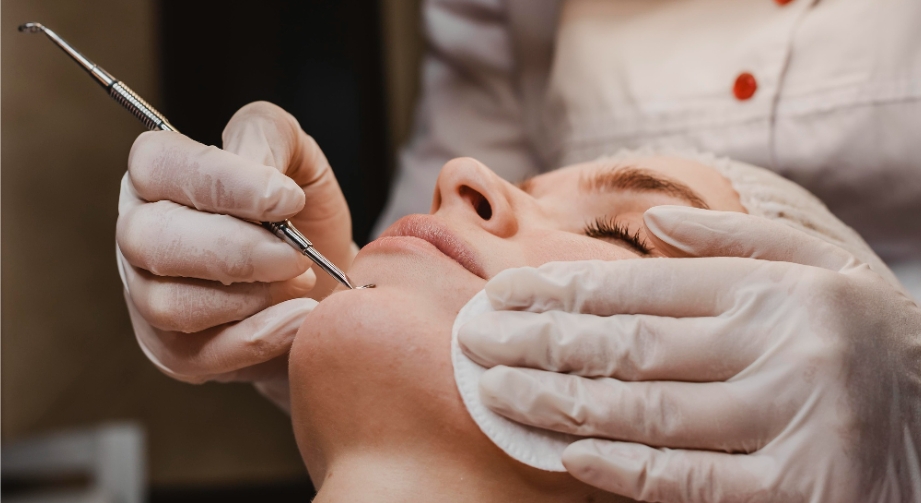
PDT reduces oil production in the sebaceous glands, helping to clear clogged pores and minimise breakouts.
Reduces Sun Damage and Pigmentation
It targets sun-damaged cells and can lighten dark spots, resulting in a more even complexion.
Improves Skin Texture and Tone
By stimulating collagen production, PDT helps smooth fine lines and improve skin elasticity.
Minimally Invasive With Quick Recovery
Unlike traditional surgical treatments, PDT is non-invasive, making it suitable for people looking for effective results without extended downtime.
Is Photodynamic Therapy Safe?
One of the biggest advantages of photodynamic therapy is its safety when performed by trained professionals. It specifically targets damaged cells, leaving healthy skin largely unaffected. However, some patients may experience temporary redness, swelling, or mild peeling after the procedure.
To maximise safety:
- Choose a qualified and experienced skin clinic.
- Follow the aftercare instructions provided by your specialist.
- Protect your skin from direct sunlight after treatment to avoid irritation.
Aftercare Tips for Better Results
Proper aftercare plays a key role in ensuring the success of your treatment. Incorporating the right skin care cream and gentle routines into your post-treatment plan can enhance recovery and results.
1. Use a Soothing Skin Care Cream

After PDT, your skin may feel sensitive or dry. Applying a calming skin care cream recommended by your specialist can help restore hydration and support healing.
2. Avoid Harsh Products
Steer clear of exfoliants, strong acids, and active ingredients like retinol until your skin has fully recovered.
3. Protect Your Skin From the Sun
Your skin will be more sensitive to sunlight after treatment. Always apply broad-spectrum sunscreen and limit direct sun exposure to prevent irritation and hyperpigmentation.
4. Follow Professional Guidance
Your clinic may provide tailored instructions for your skin type and treatment plan. Adhering to these recommendations ensures safer and more effective results.
Combining Photodynamic Therapy With Skin Care Creams
For the best outcomes, PDT should be complemented with a consistent skincare routine. The right skin care cream can:
- Maintain hydration and strengthen the skin barrier
- Reduce redness and sensitivity after treatment
- Enhance long-term results by supporting healthy skin renewal
Your specialist may recommend specific formulations suited to your skin condition and treatment goals.
Who Can Benefit From Photodynamic Therapy
Photodynamic therapy is suitable for many people, but it’s particularly effective for those who:
- Experience frequent acne breakouts
- Have sun-damaged or uneven skin tone
- Want to minimise fine lines without surgery
- Seek a treatment with minimal downtime
However, individuals with certain skin conditions or sensitivities should consult a qualified clinician to determine if PDT is right for them.
Final Thoughts
Photodynamic therapy is a safe and effective treatment for improving skin health, treating acne, reducing pigmentation, and rejuvenating the skin. When performed by trained professionals and combined with proper aftercare, including the use of a suitable skin care cream, PDT offers long-lasting benefits with minimal downtime.
If you are looking for a gentle yet effective approach to achieving clearer, healthier, and more radiant skin, PDT may be the right choice. Consulting an experienced skincare specialist ensures the treatment is tailored to your individual needs and provides the best possible results.
