

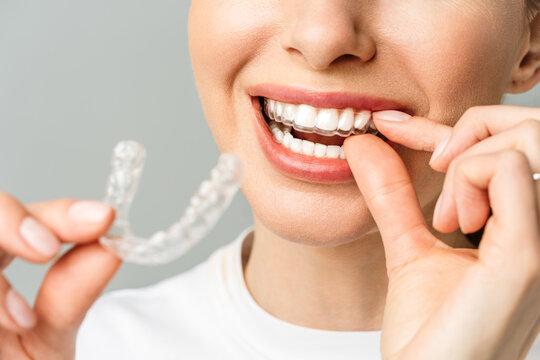
Straightening of teeth isn’t the big, dramatic process it used to be. A lot of people look into it for simple reasons: they want to smile without thinking about it, or they’re tired of food getting stuck in the same tricky spots. Modern orthodontic options are lighter, quieter, and way easier to work around a normal week. You don’t have to change your whole life to get a better smile.
What follows is just a straightforward rundown of the main choices. Nothing fancy, just the sort of explanation you’d get if you asked your dentist to talk you through things in normal conversation.
Why Teeth Straightening Matters
When teeth sit where they’re meant to, cleaning becomes less of a chore. Your bite usually feels more natural, too, and chewing doesn’t take as much effort. People often notice a lift in confidence without even trying. It’s not about chasing the “perfect” smile. It’s about comfort, health, and having teeth that feel easier to manage day to day.
Clear Aligners
Clear aligners are slim trays that fit over your teeth. You swap them out as your treatment moves along. They’re clear, light, and you take them out to eat, which keeps things simple. They’re pretty popular with adults and teens because they blend in and don’t interrupt much. Good for mild or moderate straightening needs, and they handle more than most people expect.
Traditional Metal Braces
Metal braces are still the strong, steady option. The brackets now are smaller than the old-school ones. They’re reliable, and they deal with bigger issues like serious crowding or bite problems. Teens often start with them, but adults still go for them when they want predictable results and don’t mind them being visible.
Ceramic or Clear Braces
These look softer. The brackets blend in with your teeth, so they’re less noticeable. They give you the same strength as metal braces but with a quieter look. They’re a common pick for adults who want the benefits of braces without the full metal appearance.
Lingual Braces
Lingual braces sit behind your teeth. Nothing shows at the front. They feel a bit odd at first because your tongue brushes against them, but people usually settle into them after a little while. They’re a good match for anyone who needs strong correction but doesn’t want any visible brackets.
Short-Term Cosmetic Options
If the main concern is the front teeth, there are quicker treatments that just tidy that area. They don’t try to change your whole bite. They’re helpful for adults whose teeth shifted over time or anyone wanting a small improvement before a big event.
Retainers and Keeping Results Steady
Once your teeth reach their new position, a retainer keeps everything where it should be. It might be a wire behind the teeth or a removable plate. It’s low effort, but really important because teeth naturally try to wander back.
How to Choose the Right Treatment
It usually comes down to what suits your routine and what your teeth actually need. Some people want something invisible. Some want the quickest path. Others need a stronger, more detailed approach. A chat with your dentist or orthodontist helps sort that out. They look at your bite, your goals, and your day-to-day habits to guide you in the right direction.
Who These Treatments Are For
Teens, adults who never had braces, people dealing with crowding or spacing, and those who want a light cosmetic touch-up. Modern teeth straightening options cover a wide range of needs, so there’s usually something that fits.
Conclusion
Straightening of teeth doesn’t need to be stressful. The options today are comfortable, flexible, and built for real life. If you’ve been thinking about making a change, book a chat with your dental team. Sometimes just hearing your options clearly makes the whole thing feel easier.
