

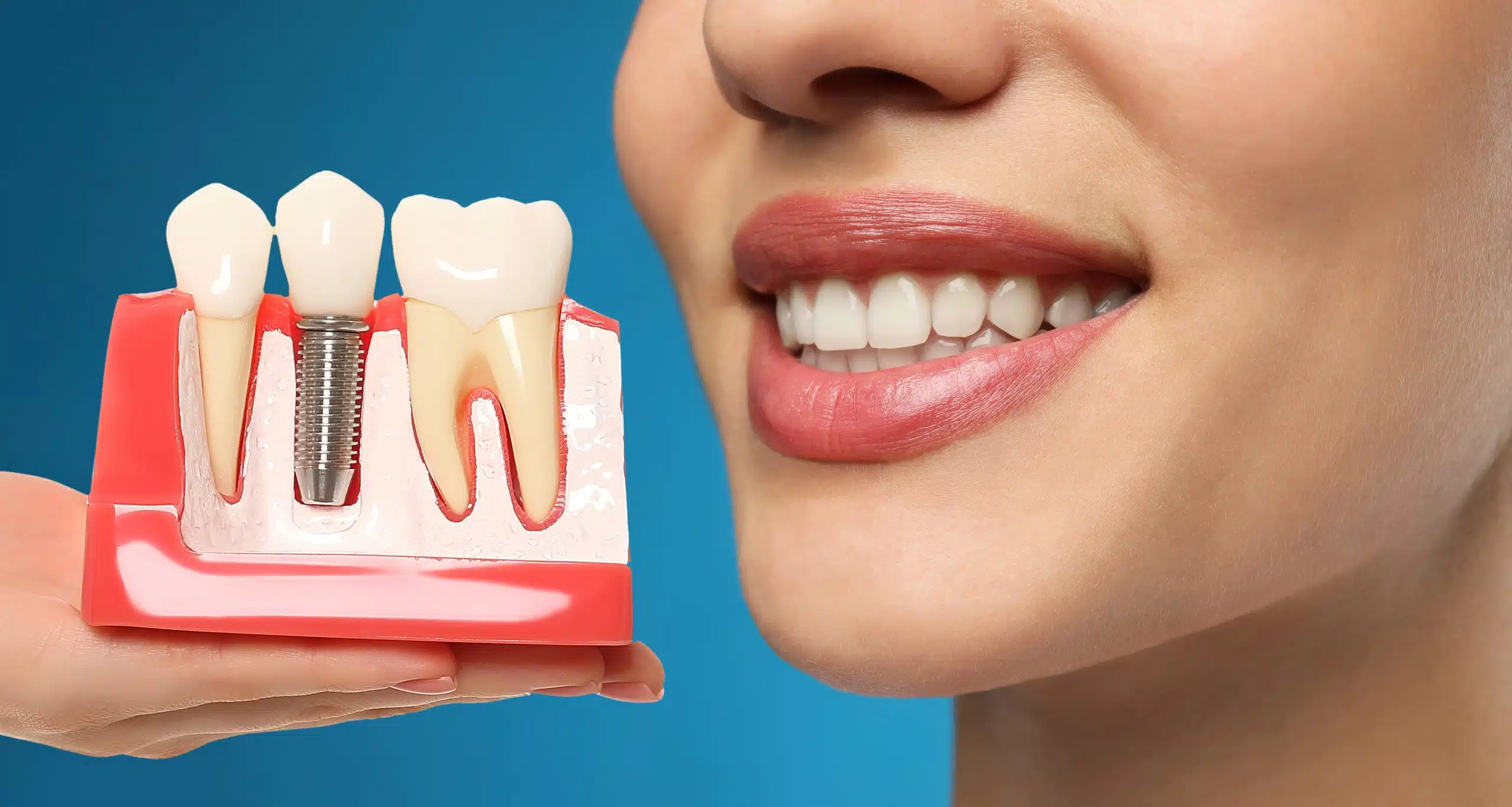
If you’ve been Googling “Dental Implants Melbourne”, you’re probably after one thing: a rock-solid, natural-looking smile that actually lasts. At My Implants Dentist, that’s the north star. Not just placing a titanium screw and calling it a day, but building a long-term foundation for your bite, your confidence, and your lifestyle. In this guide, I’ll break down the exact playbook we use to achieve long-lasting implants, why it works, and how you can cut through the noise and pick a clinic that’s the real deal. Quick heads-up: if you’re considering All-on-4 Melbourne options, you’ll find a section below crafted just for you.
Why long-lasting implants don’t happen by accident
Dental implants have a reputation for being “set-and-forget”. In reality, longevity comes from a system: precise diagnosis, surgical accuracy, healthy healing, and smart maintenance. Think of it like building a house: great soil testing, quality materials, straight framing, and good drainage. Skip one layer, and the structure pays for it later.
The blueprint: Our step-by-step process for predictable success
1) Diagnostic precision comes first
- 3D CBCT imaging to map bone volume, nerve position, and sinus space
- Periodontal and occlusal analysis to flag gum issues and bite forces
- Risk stratification: smoking, diabetes, bruxism, and medication history
- Digital planning software to simulate implant position and angulation
Why it matters: accurate diagnosis means fewer surprises during surgery and stronger bone-implant integration.
2) Biocompatible materials and proven implant systems
We select implant systems with peer-reviewed performance, a stable internal connection, and surface treatments that support faster osseointegration. Abutments and crowns are chosen for fracture resistance and soft-tissue compatibility, not just looks.
3) Minimally invasive, guided surgery
Using a 3D-printed surgical guide, we place implants with high accuracy, often through a small flap or flapless approach where appropriate. Translation: reduced trauma, less swelling, and more predictable healing.
4) Soft-tissue management that actually protects your investment
Healthy gums aren’t “extra”; they’re the seal that keeps bacteria out. We shape the soft tissue with healing abutments and design the emergence profile to create a snug, cleanable margin around your implant crown.
5) Personalized loading protocols
Depending on bone density and primary stability, we’ll recommend immediate loading (a provisional tooth right away) or a short healing period before the definitive crown. “Soonest” isn’t always “smartest”. The goal is longevity, not just speed.
6) Bite engineering
We fine-tune your bite to reduce overload on the implant, especially if you clench or grind. Night guards for bruxers are a quiet hero in implant longevity.
All-on-4 Melbourne: who it’s for and why it lasts
All-on-4 is a full-arch solution that places four (sometimes more) implants to support a fixed bridge. It’s ideal for people with failing teeth, extensive gum disease, or loose dentures who want a stable, permanent solution.
What makes All-on-4 long-lasting:
- Strategic posterior tilt for maximum stability in available bone
- Immediate provisional bridge to lock in soft-tissue contours and function
- Cross-arch stabilization spreads the load across implants
- Maintenance protocols designed for full-arch hygiene
Real-world story: back to steak night without stress
One of our Melbourne patients let’s call them A had a history of periodontal disease and loose upper teeth. We used a guided All-on-4 Melbourne, placed four fixtures with excellent primary stability, and fitted a provisional bridge the same day. At six months, A transitioned to a definitive zirconia bridge. The kicker? They reported chewing confidence at “100% better” and ditched adhesive creams for good. That’s the kind of everyday win we aim for.
What typically kills implant longevity (and how we prevent it)
- Poor planning: inadequate bone assessment leads to poor positioning
- Uncontrolled risk factors: smoking, diabetes, and untreated gum disease
- Overload: bite forces not managed, especially in grinders
- Hygiene gaps: plaque leads to peri-implant inflammation
Our prevention protocol: treat disease first, plan digitally, place accurately, protect the bite, and coach you on easy, sustainable home care.
Maintenance that keeps implants “boring” (in a good way)
- Daily routine: soft brush, low-abrasive toothpaste, floss or interdental brushes around implant contacts
- Night-time protection: bite splint if you clench
- Hygienist visits: typically every 6 months, sometimes every 3–4 for higher-risk patients
- Red flags: bleeding, persistent bad taste, mobility, or swelling – call us early
FAQs
Q: How long do dental implants last?
A: With healthy gums, good hygiene, and regular checkups, implants can last decades. The crown may need replacement over time due to normal wear, but the implant itself can remain stable long-term when the risk factors are controlled.
Q: Am I a candidate if I’ve lost bone?
A: Often, yes. We evaluate bone with CBCT, and if needed, use sinus lifts, ridge augmentation, or zygomatic strategies for full-arch cases. For many All-on-4 Melbourne patients, smart angulation can avoid grafting altogether.
Q: Does smoking rule me out?
A: Not automatically, but it increases the risk of complications and slows healing. We’ll discuss a pre- and post-op smoking reduction or cessation plan to improve outcomes.
Q: Will it hurt?
A: With local anaesthesia and, if desired, sedation, most patients report pressure rather than sharp pain. Soreness typically peaks in 48 hours and is managed with common analgesics and a soft-food plan.
Q: What if I grind my teeth?
A: We’ll adjust your bite and provide a night guard to protect the implant crown and supporting structures. This is one of the biggest longevity boosters for grinders.
Costs and smart budgeting
Upfront, implants can cost more than bridges or dentures, but when you factor in replacement cycles, maintenance, and bone preservation, many patients find implants more cost-effective long-term. For full-arch All-on-4, phased payments and staged planning can help you move forward without guesswork.
What to expect at your first visit
- A friendly chat about your goals, lifestyle, and timeline
- 3D scan and bite assessment
- A clear, written plan with options, timelines, and transparent fees
- Time for all your questions no rushing, no pressure
Closing thoughts:
Dental implants last when every step from diagnosis to maintenance is dialled in. That’s our lane at My Implants Dentist: meticulous planning, gentle guided surgery, gum-first design, and bite protection that keeps your new teeth working like well, teeth. If you’re weighing Dental Implants Melbourne options or eyeing an All-on-4 Melbourne solution, let’s map your best path forward.
