

A smooth, pristine vinyl liner is the aesthetic foundation of many Australian backyards. It gives the water that inviting blue hue and provides a soft surface for swimmers. Consequently, discovering a wrinkle in your pool liner is often a source of significant stress for homeowners. It looks unsightly, traps dirt, and can be a tripping hazard. Naturally, when wrinkles appear, owners look for a culprit, and the automatic pool cleaner often takes the blame.
The fear that a heavy machine roaming the floor of your pool might stretch or drag the vinyl is understandable. However, in the vast majority of cases, this fear is misplaced. While antiquated cleaning equipment did pose some risks, modern technology has largely eliminated this concern. Specifically, the advent of track-driven cleaners has changed the physics of pool maintenance. This guide explores the relationship between automatic cleaners and vinyl liners, explaining why today’s technology is safe and what actually causes those frustrating wrinkles.
The Evolution of Cleaning Technology
To understand why modern cleaners are safe, one must look at how the technology has advanced. Decades ago, early automatic cleaners were often heavy, suction-based units that connected to the skimmer box. Some of these older models moved by hopping or pulsing, creating repetitive concentrated force on specific spots of the liner. If these units got stuck in a corner while the pump was running at full power, the suction could potentially pull at the liner, though even then, it was rare for the cleaner to be the sole cause of a wrinkle.
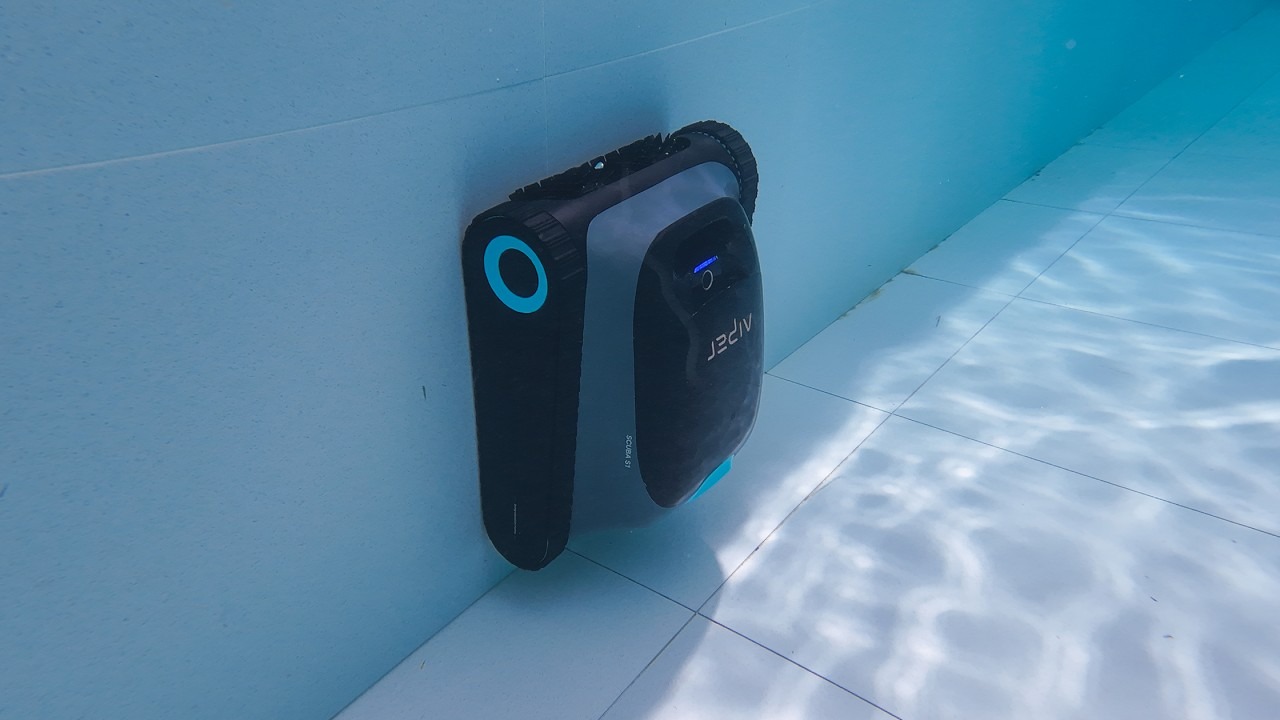
Today, the landscape is different. The industry has shifted towards independent robotic units. When searching for the best robotic pool cleaner australia has to offer, you will notice a distinct design preference for tank-like tracks over independent wheels. This design shift is crucial for liner safety.
Why Track-Style Cleaners Are Superior for Liners
The primary reason modern cleaners do not cause wrinkles lies in their traction systems. Contemporary robots utilise continuous rubber or synthetic tracks rather than four distinct wheels. This design serves a specific purpose regarding weight distribution.
Tracks spread the weight of the unit over a much larger surface area compared to wheels. This reduces the point-load pressure on the vinyl. Instead of digging in, the cleaner glides over the surface. Furthermore, tracks provide superior grip without the need for excessive torque. A wheeled cleaner might spin out on a slippery slope, creating friction heat or drag. A track-style cleaner maintains constant, gentle contact, ensuring that the movement is fluid rather than aggressive. This smooth locomotion eliminates the dragging force that would be required to shift a liner that is held down by tonnes of water pressure.
The Physics of Water Pressure
It is important to remember what holds a pool liner in place: water. The weight of the water in an average backyard pool is immense, often exceeding 40,000 to 50,000 kilograms. This massive downward pressure pins the liner against the pool shell.
For a pool vacuum to create a wrinkle, it would need to generate enough lateral force to overcome the weight of the water pressing down on the vinyl. Modern robotic cleaners are designed to be neutrally buoyant or only slightly negatively buoyant. They are heavy enough to stay on the floor but light enough to climb walls. They simply do not possess the mass or the mechanical force required to drag a liner that is properly seated and held in place by water pressure.
The Real Causes of Pool Liner Wrinkles
If the robot is not to blame, why do wrinkles appear? In almost every instance, wrinkles are a symptom of environmental factors or chemical imbalances rather than mechanical damage.
The most common culprit is low pH. Vinyl liners are somewhat porous. If the pool water becomes acidic (low pH), the vinyl material can absorb water and expand. Since the liner is cut to a specific size, this growth has nowhere to go, forcing the material to bunch up and wrinkle. This is often mistaken for mechanical stretching, but it is actually a chemical reaction.
Groundwater is another frequent issue. After heavy rains, the water table in the ground can rise above the level of the pool floor. This hydrostatic pressure pushes up against the underside of the liner. If the pressure becomes great enough, the liner will float or shift. When the groundwater recedes, the liner may not settle back into its original position perfectly, resulting in folds and wrinkles.
Intelligent Navigation and Obstacle Avoidance
Another feature of modern cleaners that protects your liner is intelligent mapping software. Older random-pattern cleaners would sometimes get trapped against a ladder or in a sharp corner, spinning their wheels against the vinyl for hours until the cycle ended. While this rarely caused wrinkles, it could cause wear patterns.
Modern robots scan the environment. If they encounter an obstacle, they reverse and redirect. They do not sit in one spot grinding against the floor. This active navigation ensures that no single area of the liner is subjected to repetitive stress. Additionally, the scrubbing brushes on these units are made from soft, non-abrasive materials specifically designed to clean vinyl without scratching or pulling it.
Reducing Heavy Debris Load
While the robot itself is safe, how you use it matters. A robot is designed to vacuum dust, sand, leaves, and small debris. It is not designed to haul heavy tree branches or large rocks. If a large, sharp object is caught under the cleaner, it could potentially snag the liner.
To mitigate this, it is wise to remove large debris before deploying your cleaner. Pairing your floor cleaner with a pool skimmer robot ensures that heavy branches and sticks are captured at the surface before they sink. By keeping the floor relatively clear of large hazards, you allow the track-style vacuum to operate efficiently and safely, protecting your liner from accidental snags caused by foreign objects.
Installation and Age Factors
Sometimes, the propensity for wrinkling is determined long before you buy a vacuum. If a liner was measured incorrectly and is slightly too large for the pool shell, wrinkles are inevitable as the material settles. Conversely, if a liner is too tight, it may pull away from the corners, creating tension gaps.
Age also plays a role. Over many years, UV radiation and chemical exposure cause vinyl to lose its elasticity. An old, brittle liner is more susceptible to shifting than a new, pliable one. However, even in these cases, the movement is usually triggered by water displacement or chemistry issues rather than the gentle passing of a robotic cleaner.
Best Practices for Liner Safety
To ensure absolute safety for your vinyl pool, follow a few simple guidelines. First, maintain proper water chemistry. Keeping your pH between 7.4 and 7.6 prevents the vinyl from absorbing water and expanding. Second, do not leave the cleaner in the pool 24/7. While they are designed for underwater use, removing the unit after its cycle rinses it of chemicals and prevents it from settling in one spot for days on end.
Finally, inspect your cleaner regularly. Check the tracks and brushes to ensure no sharp rocks or debris are lodged in the mechanism. A well-maintained cleaner is a safe cleaner.
Conclusion
The myth that pool vacuums cause liner wrinkles is largely a relic of the past. Today’s advanced track-style robotic cleaners are engineered with weight distribution and gentle traction as core design principles. They glide over surfaces rather than dragging them. When wrinkles do appear, the evidence points overwhelmingly toward water chemistry, groundwater issues, or installation faults. By utilising modern cleaning technology, you are actually extending the life of your liner by keeping it free of organic stains and abrasive sediment, rather than putting it at risk.
