

There are few things more satisfying for a homeowner than looking out at a lush, vibrant carpet of green grass. A well-established lawn not only boosts your home’s curb appeal and potential property value but also provides a functional space for relaxation and family activities. However, achieving that “golf course” look isn’t merely a matter of throwing down some seeds and hoping for rain.
Establishing a new lawn is a process that blends science, timing, and a bit of physical labour. Whether you are building a new home, undertaking a comprehensive home renovation, or simply renovating a patchy backyard, the steps you take in the beginning will determine the health of your grass for years to come.
In this guide, we will walk you through the essential phases of establishing a new lawn, covering everything from soil preparation and choosing the right grass type to the critical post-planting maintenance.
Planning and Timing
Before you pick up a shovel, you need a plan. The biggest mistake homeowners make is starting their lawn project at the wrong time of year or selecting the wrong method for their budget and timeline.
Choosing Your Method: Seed, Sod, or Hydroseeding?
There are three primary ways to establish a new lawn, each with distinct pros and cons.
- Seeding: This is the most budget-friendly option and offers the widest variety of grass types. However, it requires the most patience (germination takes time) and is susceptible to erosion and weed competition.
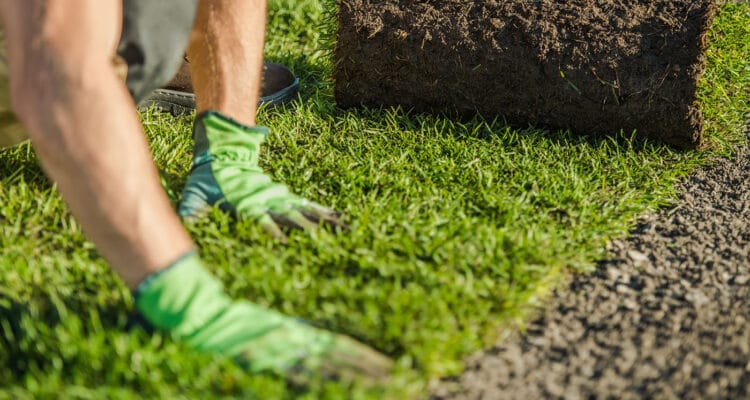
- Sodding (Turf): Sod provides an instant lawn. It looks good immediately and establishes faster than a seed. The downside is the cost; it is significantly more expensive than seeding and requires intense labour to install correctly. However, the quality of the provider matters immensely. You need fresh turf that hasn’t dried out. For example, homeowners in Australia often look to established growers like A View Turf in Sydney, who can provide varieties specifically acclimatised to the harsh local sun and soil conditions.
- Hydroseeding: A middle-ground option often used for large areas or slopes. A mixture of seed, mulch, fertiliser, and binding agents is sprayed onto the soil. It retains moisture better than dry seeding but is less expensive than sod.
Timing is Everything
When you plant is just as important as how you plant. This depends entirely on your climate and the type of grass you choose.
- Cool-Season Grasses (Kentucky Bluegrass, Fescue, Ryegrass): The best time to plant is early autumn (late August to September). The soil is still warm, but the air is cooler, and weed competition is lower. The second-best time is early spring.
- Warm-Season Grasses (Bermuda, Zoysia, St. Augustine, Buffalo): These thrive in heat. The ideal planting time is late spring or early summer, once all danger of frost has passed and soil temperatures consistently reach 65°F (18°C).
Soil Preparation—The Foundation of Success
If you take only one thing away from this article, let it be this: Do not skip soil preparation. A lawn is only as good as the soil beneath it. You cannot fix poor soil once the grass is established without great difficulty.
1. Test Your Soil
Don’t guess what your soil needs. Purchase a soil test kit from a local nursery or university extension service. This will tell you the pH level (acidity/alkalinity) and nutrient deficiencies. Grass typically prefers a pH between 6.0 and 7.0. If your soil is too acidic, you may need to add lime; if it is too alkaline, you may need sulphur.
2. Clear the Area
Remove all debris, large rocks, and existing vegetation. If you are replacing an old lawn, you must ensure the old grass and weeds are dead. This may require a non-selective herbicide or a sod cutter to physically remove the old turf.
3. Tilling and Grading
Rototill the soil to a depth of about 6 inches. This loosens compacted earth, allowing young roots to penetrate deep into the ground.
At this stage, pay attention to grading. The soil should slope gently away from your home’s foundation to prevent water damage. Aim for a drop of about one inch for every four feet. Fill in low spots where water might pool, as standing water can drown new grass and encourage disease.
4. Amending the Soil
Based on your soil test results, mix in the necessary amendments. Regardless of pH, almost all new lawns benefit from organic matter. Mix in 1–2 inches of high-quality compost or peat moss. This improves drainage in clay soils and water retention in sandy soils.
Planting Your Lawn
Once the ground is prepped and levelled (rake it smooth and remove stones larger than a golf ball), it is time to plant.
The Seeding Strategy
- Spread the Seed: Use a broadcast spreader for even distribution. A common pro tip is to sow half the seeds walking in one direction (e.g., north-to-south) and the other half walking perpendicular (east-to-west). This ensures you don’t miss spots.
- Rake and Roll: Gently drag the back of a leaf rake over the soil to cover the seeds lightly—no more than ¼ inch deep. Seeds need light to germinate, so don’t bury them. Use an empty or lightly filled lawn roller to press the seed into the soil. Seed-to-soil contact is vital.
- Mulch: Spread a thin layer of weed-free straw or specialised biodegradable matting to retain moisture and prevent birds from feasting on your investment.
The Sodding Strategy
- Moisten the Soil: Lightly water the bare soil before laying sod.
- Stagger the Seams: Start along a straight edge (like a patio or driveway). Lay the sod strips in a brickwork pattern, staggering the joints. This prevents long seams where water can cause erosion.
- Butt Joints Tightly: Push the edges of the sod together tightly, but do not overlap them.
- Roll It: Once installed, use a lawn roller filled with water to press the sod down, eliminating air pockets that can dry out the roots.
The Critical First Month (Maintenance)
The first 30 days are the “make or break” period for establishing a new lawn. The goal is to transition the grass from life support to independence.
The Golden Rule of Watering
For Seed: The seedbed must stay constantly moist but not soggy. If the seeds dry out even once after starting to germinate, they will die.
- Weeks 1–2: Water lightly 2 to 4 times a day. You don’t need to soak the ground; just keep the top inch wet.
- Weeks 3–4: As grass sprouts, reduce frequency to once a day but increase the duration to encourage roots to chase the water down.
For Sod: Sod has roots, but they are shallow.
- Week 1: Water deeply once or twice a day. Lift a corner of the sod; the soil underneath should be wet.
- Week 2: Transition to every other day.
When to Mow
Patience is a virtue here. Do not rush the first mow.
- Seed: Wait until the new grass is about 3 to 4 inches high. Ensure your mower blades are brand new or freshly sharpened—dull blades will tear the young grass out by the roots. Only remove the top ⅓ of the blade.
- Sod: Wait until the sod has “knitted” to the ground. Tug gently on the grass blades; if the sod lifts, it’s not ready. If it holds firm, you can mow (usually 14–21 days after installation).
Fertilizing
If you applied a “starter fertiliser” (high in phosphorus for root growth) during soil prep, you generally do not need to fertilise again for 6 to 8 weeks. Over-fertilising young grass can burn the tender blades.
Common Mistakes to Avoid
Even with the best intentions, things can go wrong. Watch out for these pitfalls:
- Using Cheap Seed: Bargain bin seed often contains a high percentage of “weed seed” or filler crop. Buy high-quality, certified seed (NTEP rated) suited for your specific light conditions (sun vs. shade).
- Ignoring Traffic: Keep kids, pets, and heavy equipment off the new lawn for at least 4 weeks. Young seedlings are incredibly fragile.
- Applying Weed Killer Too Soon: Do not use crabgrass preventer or broadleaf weed killers on a new lawn until you have mowed it at least 3 or 4 times. You should also be vigilant about identifying common seasonal pests that might damage your young turf.
Conclusion
Establishing a new lawn is a labour of love, but the reward is a stunning outdoor living space that enhances your home and lifestyle. By focusing on proper soil preparation, choosing the right grass for your climate, and adhering to a strict watering schedule during the critical first month, you will create a root system capable of withstanding summer heat and winter chill.
Remember, a great lawn isn’t built in a day, but it starts with a single seed (or roll of sod). Take your time, trust the process, and soon you’ll be enjoying the best lawn on the block.
