

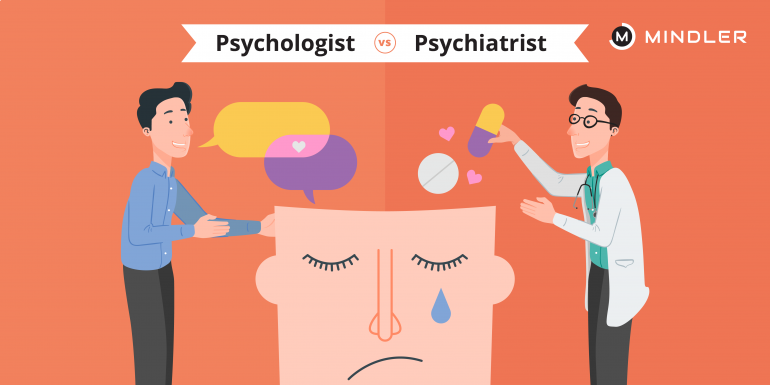
Taking the first step toward mental health support can feel overwhelming. Whether you’re struggling with anxiety, depression, relationship issues, or life transitions, finding the right professional help is crucial for your wellbeing. Clinical psychology offers evidence-based solutions that can help you navigate life’s challenges and restore balance to your daily routine.
Understanding what clinical psychology involves and how to access these vital services can illuminate a clear path forward when you’re feeling lost. At Adelaide Clinical Psychology, we recognise that many people delay seeking help because they’re unsure about the process or worried about what to expect. This guide is designed to gently walk you through everything you need to know about clinical psychology, empowering you to make an informed decision about your mental health care.
What Is Cliniwecal Psychology?
Clinical psychology is a specialised branch of psychology focused on diagnosing and treating mental health conditions, emotional difficulties, and behavioural challenges. Clinical psychologists are highly trained professionals who use evidence-based therapeutic approaches to help people of all ages overcome their struggles and develop healthier coping mechanisms.
Unlike other mental health professionals, clinical psychologists hold advanced qualifications in psychological assessment and therapy. They can work with children, adolescents, and adults, addressing a wide range of concerns from everyday stress to complex mental health conditions.
Evidence-Based Treatment Approaches
Clinical psychologists utilise various therapeutic modalities proven effective through scientific research. These may include:
- Cognitive Behavioural Therapy (CBT): Helps identify and change negative thought patterns and behaviours
- Acceptance and Commitment Therapy (ACT): Focuses on accepting difficult emotions while committing to meaningful actions
- Dialectical Behaviour Therapy (DBT): Teaches skills for managing intense emotions and improving relationships
- Family therapy: Addresses relationship dynamics and communication patterns within families
- Play therapy: Uses play as a medium to help children express and process their experiences
Who Can Benefit from Clinical Psychology?
Clinical psychology services support people facing various challenges throughout their lives. You might consider seeking help if you’re experiencing:
Emotional difficulties such as persistent sadness, anxiety, anger, or mood swings that interfere with your daily activities. These feelings might seem overwhelming or difficult to manage on your own.
Life transitions including career changes, relationship breakdowns, loss of loved ones, or major life events that leave you feeling uncertain or distressed. Sometimes significant changes can trigger unexpected emotional responses that require professional support.
Relationship challenges with partners, family members, friends, or colleagues. Communication breakdowns, conflict resolution, or attachment difficulties can significantly impact your quality of life and overall wellbeing.
Behavioural concerns such as difficulty controlling impulses, addictive behaviours, or patterns that negatively affect your relationships or responsibilities.
Support for Children and Adolescents
Young people face unique developmental challenges that may require specialised psychological support. Clinical psychologists can help children and teenagers with:
- School-related difficulties including academic performance, social anxiety, or behavioural issues in the classroom
- Developmental concerns such as autism spectrum disorders, ADHD, or learning difficulties
- Family changes like divorce, blended families, or significant life transitions
- Mental health conditions including depression, anxiety, or eating disorders
- Trauma recovery following difficult experiences or adverse childhood events
The Therapeutic Process: What to Expect
Starting therapy involves several steps designed to ensure you receive the most appropriate care for your specific needs. Understanding this process can help reduce anxiety about your first appointment.
Initial Contact and Matching
When you first reach out to a clinical psychology practice, the staff will gather basic information about your concerns and preferences. This helps them match you with a psychologist whose expertise aligns with your needs. You might also have the opportunity to request a specific psychologist if you have a preference.
Your First Appointment
The initial session serves as an assessment and introduction period. Your psychologist will want to understand your current difficulties, relevant background information, and what you hope to achieve through therapy. This collaborative approach ensures your treatment plan reflects your personal goals and circumstances.
Don’t worry about having all the answers immediately. Your psychologist is trained to help you identify and articulate your concerns, even if they feel unclear or overwhelming initially.
Building Therapeutic Rapport
Developing trust and comfort with your psychologist is essential for successful therapy. This relationship provides the foundation for honest communication and meaningful change. Most people find that rapport develops naturally over the first few sessions as you become more familiar with your psychologist’s approach and communication style.
Treatment Planning and Goal Setting
Based on your initial assessment, your psychologist will work with you to develop a personalised treatment plan. This might include specific therapeutic techniques, homework exercises, or lifestyle changes that support your mental health goals.
Regular check-ins ensure your treatment remains relevant and effective as you progress through therapy.
Flexible Service Options
Modern clinical psychology practices recognise that people have different preferences and practical needs when accessing mental health support.
Face-to-Face Appointments
Traditional in-person sessions provide a private, comfortable environment where you can focus entirely on your therapeutic work. Many people prefer this option for the personal connection and ability to engage fully without distractions.
Telehealth Sessions
Online therapy sessions offer convenience and accessibility, particularly for people with busy schedules, mobility limitations, or those living in remote areas. Telehealth sessions maintain the same professional standards and therapeutic effectiveness as in-person appointments.
Hybrid Approaches
Some people benefit from combining both face-to-face and online sessions, depending on their current circumstances and preferences. This flexibility ensures continuity of care even when life circumstances change.
Preparing for Your Mental Health Journey
Taking steps to prepare for therapy can enhance your experience and help you achieve better outcomes.
Reflect on your goals: Consider what you’d like to address or change through therapy. While these goals might evolve, having some initial direction helps guide early conversations with your psychologist.
Gather relevant information: If you’re seeking help for specific incidents or ongoing patterns, jot down key details that might be helpful to discuss. This could include symptoms, triggers, or significant life events.
Prepare practical details: Arrive early for appointments, whether in-person or online. Create a comfortable, private space for telehealth sessions and ensure you have reliable internet connectivity.
Practice self-compassion: Remember that seeking help demonstrates strength and self-awareness. Many people benefit from psychological support at various points in their lives.
Finding the Right Support
Accessing quality clinical psychology services requires finding practitioners who align with your needs and values. Look for psychologists who are registered with the Australian Psychological Society and who demonstrate experience in areas relevant to your concerns.
Don’t hesitate to ask questions about a psychologist’s approach, experience, and treatment philosophy during your initial contact. The right therapeutic relationship can make a significant difference in your mental health journey.
At Adelaide Clinical Psychology, your mental health deserves professional attention and care. Whether you’re facing immediate challenges or wanting to develop better coping strategies for life’s inevitable ups and downs, we offer evidence-based support tailored to your unique circumstances and goals.
