

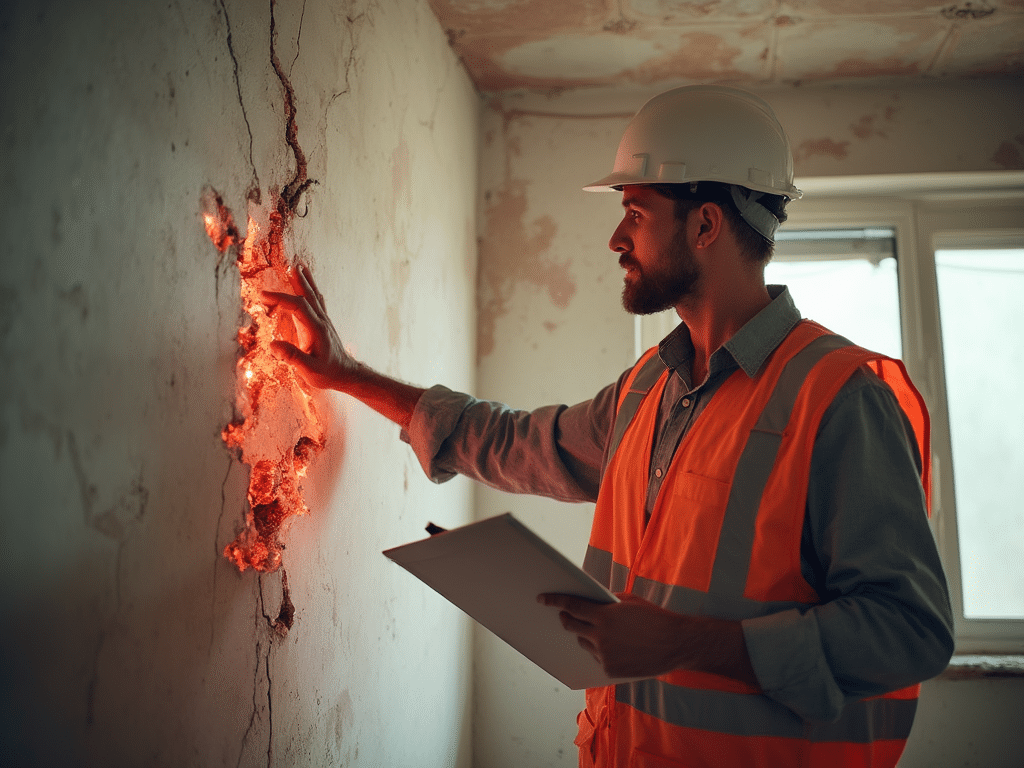
Renovated homes often create a powerful first impression. Fresh paint, modern fittings, sleek kitchens, and polished finishes can make a property feel move-in ready and problem-free. For many buyers, a renovation signals safety, quality, and reduced maintenance costs. However, professional inspectors consistently report a surprising reality: renovated properties frequently fail inspection, sometimes more severely than unrenovated homes.
The reason is simple. Renovation does not automatically mean remediation. While a home may look flawless on the surface, critical defects can remain hidden behind walls, under floors, or beneath premium finishes. This disconnect between appearance and actual condition is exactly why renovated homes regularly raise red flags during professional assessments.
Cosmetic Renovations vs Structural Integrity
One of the most common misconceptions buyers have is assuming that visible upgrades equate to structural soundness. In reality, many renovations focus purely on aesthetics rather than addressing compliance, durability, or long-term safety.
Cosmetic renovations typically include new cabinetry, benchtops, tiling, lighting fixtures, and paintwork. While these updates can significantly improve presentation and resale value, they often leave deeper issues untouched. Structural integrity, waterproofing systems, load-bearing elements, electrical safety, and plumbing compliance require specialised work, permits, and inspections, steps that are sometimes skipped to reduce costs or speed up resale.
As a result, a property can look brand new while still suffering from ageing infrastructure, compromised supports, or non-compliant installations that pose serious risks to future owners.
Where Defects Hide Behind Premium Finishes
High-end finishes can be particularly misleading. Features such as bold marble countertops often give buyers confidence that quality workmanship has been applied throughout the home. Unfortunately, inspectors frequently discover that these premium surfaces are used to mask substandard work beneath.
Behind luxury finishes, inspectors commonly find inadequate waterproofing, poorly installed plumbing connections, or insufficient structural support. In wet areas like kitchens and bathrooms, even minor waterproofing failures can lead to long-term moisture damage, mould growth, and timber rot, issues that remain invisible until significant deterioration occurs.
Premium materials elevate appearance, but they do not guarantee correct installation or compliance. Without proper oversight, they can actually make defects harder to detect until serious damage has already developed.
The Most Common Defects Found in Renovated Homes
During inspections of renovated properties, certain defects appear repeatedly. These include non-compliant plumbing installations, such as incorrect drainage gradients or unlicensed modifications hidden behind walls. Electrical issues are also common, particularly undocumented rewiring or overloaded circuits that fail modern safety standards.
Inspectors frequently uncover missing moisture barriers in bathrooms and balconies, increasing the risk of water ingress. Concealed termite damage is another major concern, especially when renovations cover affected timber without proper treatment. Inadequate ventilation, often overlooked during renovations, can lead to condensation, mould, and poor indoor air quality.
These issues are rarely visible during inspections by buyers, but they become obvious under professional assessment.
Why a Pre-Purchase Building Inspection Is Non-Negotiable
A professional pre-purchase building inspection is designed to assess more than what the eye can see. Unlike a walkthrough or open home viewing, an inspection uses specialised tools and expertise to evaluate the true condition of the property.
Thermal imaging can identify hidden moisture or heat irregularities. Moisture meters detect water intrusion behind tiles and walls. Structural assessments evaluate load-bearing elements, roof framing, and subfloor conditions. Together, these methods expose defects that cosmetic renovations cannot hide.
For renovated properties, especially, an independent inspection is essential. It provides an unbiased assessment of workmanship quality, compliance, and long-term risks, protecting buyers from costly surprises after settlement.
How to Protect Yourself Before Making an Offer
Buyers can take proactive steps to reduce risk when considering a renovated property. Request detailed renovation documentation, including invoices, warranties, and the scope of work completed. Council approvals and compliance certificates should be available for structural, electrical, and plumbing modifications.
Engaging a qualified inspector before making an offer allows buyers to negotiate confidently, budget accurately, or walk away if necessary. Renovation quality varies widely, and independent verification is the only reliable way to confirm that the work meets required standards.
Conclusion
A property that looks finished is not necessarily structurally sound. Renovations can enhance appearance while concealing serious defects that compromise safety, compliance, and long-term value. Independent assessment is the only way to see beyond surface-level upgrades. For buyers, a thorough inspection is not optional; it is essential protection against hidden risk.
FAQs
Do renovated homes fail inspections more often than older homes?
Not necessarily more often, but renovated homes often fail for different reasons. Older homes typically show visible wear, while renovated homes fail due to concealed defects hidden behind new finishes or walls.
Can cosmetic renovations hide serious structural problems?
Yes. Fresh finishes can conceal moisture damage, termite activity, weakened framing, and non-compliant structural changes that are not visible during a standard inspection by buyers.
Are premium materials a sign of quality workmanship?
Premium materials improve appearance but do not guarantee correct installation. Even expensive finishes can be installed over poor waterproofing, incorrect supports, or unsafe services.
What tools do inspectors use to detect hidden defects?
Inspectors use moisture meters, thermal imaging cameras, structural analysis, and visual assessments of roof, subfloor, and wall systems to identify hidden issues.
Why is documentation important when buying a renovated property?
Documentation confirms whether renovations were approved, compliant, and completed by licensed professionals. Missing paperwork increases the risk of illegal or substandard work.
Can defects found during inspection be negotiated?
Yes. Inspection findings can be used to renegotiate the price, request repairs, or withdraw from the purchase if risks are too high.
