


Dubai firms that adopt modern employee time and attendance solutions see faster payroll cycles, tighter compliance with UAE labour law, and smoother shift management across high‑rise offices and desert‑site projects. This article walks through the legal backdrop, biometric options, cloud dashboards, mobile check‑in, AI‑driven scheduling, integration pathways, data security, and a step‑by‑step rollout plan tailored for Dubai’s hot climate, multilingual workforce, and fast‑moving construction & hospitality sectors.
Understanding UAE Labour Requirements for Employee Time and Attendance
From what I’ve seen the Ministry of Human Resources and Emiratisation (MOHRE) mandates accurate recording of daily working hours overtime and rest periods for every employee whether they work in a Mall of the Emirates retail outlet or a Jumeirah Beach Residence hotel. Um the law also requires that the data be retained for at least five years & be available for inspection at any time.
In my experience, non‑compliance can trigger fines that exceed the cost of a proper system. Here’s what typically happens:
- Incorrect overtime calculations lead to disputes under the WPS (Wage Protection System).
- Missing shift‑change logs cause errors in gratuity calculations for expatriate staff.
- Failure to capture remote‑worker hours breaches the 2026 amendment on flexible work arrangements.
Make sure your system aligns with the UAE Standard Working Hours (8 hours per day, 48 hours per week) and automatically applies the 45‑minute break rule for shifts longer than five hours. A solution that flags violations in real time helps HR teams stay ahead of audits.
Choosing the Right Biometric Time Clock for Dubai Workplaces…
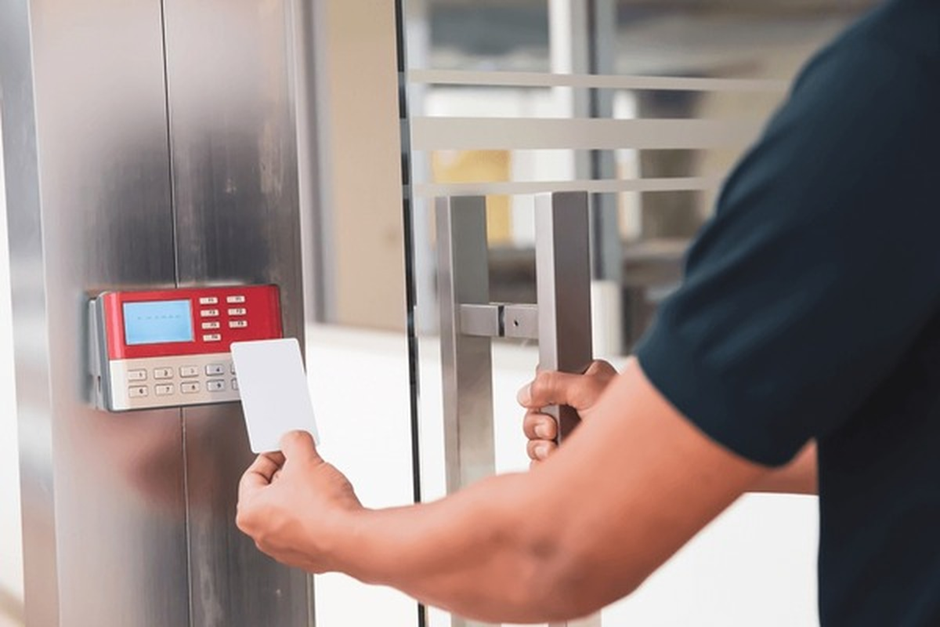
Biometric time clocks have become the backbone of employee time and attendance tracking in high‑traffic environments like Al Quoz industrial parks & Al Barsha office towers. I mean, fingerprint readers are still popular, but facial‑recognition devices have gained traction because they work well with gloves and dust‑prone construction sites.
What typically happens is that a fingerprint scanner may struggle in the summer heat when sweat interferes with skin conductivity. Facial and iris scanners however maintain accuracy even at 45 °C and they support multi‑language prompts (Arabic/English) for diverse crews.
- Fingerprint: low cost, fast matching, but sensitive to moisture.
- Facial: contact‑less, suitable for clean‑room environments, higher upfront cost.
- Iris: most secure, ideal for high‑security zones like data centres in Dubai Internet City.
In my experience, a hybrid approach, fingerprint for office staff and facial for field crews, delivers the best balance of speed & reliability.
Cloud‑Based Attendance Management and Real‑Time Dashboards…
Cloud platforms give you a centralized view of employee time and attendance across multiple sites, from a skyscraper in DIFC to a sprawling construction camp in Al Maktoum. The dashboards update every few seconds, showing who clocked in, who is on break, and who has exceeded overtime limits.
Here’s why real‑time reporting matters:
- Payroll runs can pull data directly from the cloud eliminating manual uploads.
- Managers receive instant alerts when a worker exceeds the legal 9‑hour limit.
- Analytics reveal absenteeism patterns that help you adjust shift staffing before a shortage hits.
Most vendors offer API endpoints that let you push attendance data into SAP SuccessFactors, Oracle Fusion, or local HRIS platforms like Bayt HR. The key is to choose a provider that guarantees 99.9 % uptime, especially during Ramadan when shift patterns change dramatically.
Mobile Check‑In, Geofencing and Multi‑Location Tracking
Dubai’s sprawling geography, Jumeirah Lakes Towers, Dubai Marina, and the outskirts of Al Ain, means many employees travel between sites daily. Mobile apps with GPS‑based geofencing let staff check in from their phones, while the system verifies they are within a 200‑meter radius of the designated location.
What typically happens is that a delivery driver in Al Qusais can start his shift from the vehicle, and the system logs the exact time and location, eliminating proxy‑punching. The same app also supports offline mode; data syncs once the device reconnects to Wi‑Fi at the office.
- Geofence radius can be adjusted per site, tight for secure warehouses, broader for outdoor camps.
- Push notifications remind workers to clock out before the legal break window closes.
- Integrates with Overtime for Dubai‑based taxi & rideshare fleets, ensuring compliance with the 2026 flexible‑work law.
In my experience, a well‑implemented mobile solution reduces manual entry errors by up to 70 % and gives HR a live pulse on workforce distribution.
AI‑Driven Scheduling and Predictive Analytics
AI assistants now analyze historic employee time & attendance data to forecast staffing needs for the upcoming month. See, the algorithms factor in seasonal peaks, like the shopping surge during dubai shopping festival, & adjust shift differentials accordingly.
Here’s what typically happens when you enable predictive scheduling:
- The system suggests optimal shift swaps, minimizing overtime costs.
- It flags employees with recurring absenteeism, allowing early intervention.
- It recommends training slots during low‑traffic periods, improving skill coverage.
In my experience, businesses that adopt AI‑driven scheduling see a 15 % reduction in overtime spend and a smoother operation during high‑traffic periods such as Eid holidays.
Integration with Payroll, ERP and HRIS Systems…
Seamless integration between employee time and attendance and payroll is non‑negotiable in Dubai, where the WPS requires precise salary disbursement. See, modern platforms push attendance logs straight into payroll engines, automatically calculating overtime, night‑shift premiums, & gratuity.
Typical integration points include:
- Payroll modules in Sage 300 for small‑to‑mid‑size firms.
- Oracle Fusion Cloud for large enterprises in Dubai Media City.
- Local UAE payroll providers like Zakat & Tax Authority‑approved software.
Make sure the data exchange uses encrypted HTTPS and follows ISO 27001 standards, because biometric data is classified as sensitive personal information under UAE data‑protection law.
Implementation Roadmap and Change Management
Rolling out a new employee time and attendance system in Dubai requires a clear roadmap… Look, skipping steps often leads to resistance from staff who are used to manual punch‑cards.
Here’s a practical six‑phase plan:
- Stakeholder workshop – involve supervisors from the Dubai Airport cargo terminal and the JBR hotel.
- Data audit – clean legacy Excel sheets and align employee IDs with MOHRE records.
- Pilot deployment – start with a single floor in a high‑rise office; collect feedback.
- Full‑scale rollout – staggered by department to avoid disruption.
- Training – bilingual workshops (Arabic/English) covering device usage and privacy.
- Post‑go‑live support – 24 hour helpdesk for the first 90 days.
In my experience, a well‑communicated rollout reduces adoption time from three months to six weeks.
Data Privacy, Security and Compliance in the UAE
Biometric data falls under the UAE Personal Data Protection Law (PDPL). To be honest, companies must store this information on servers located within the emirates or on a cloud provider that offers a uae‑based data centre.
Key security measures include:
- End‑to‑end encryption for data in transit and at rest.
- Role‑based access controls so only HR managers can view full attendance logs.
- Regular penetration testing by an approved certifying body.
- Disaster‑recovery plan with a 24‑hour RTO (Recovery Time Objective).
Make sure your vendor provides a data‑processing agreement that explicitly states compliance with PDPL and the GDPR for expatriate staff.
Vendor Evaluation Checklist and Future‑Proofing…
Choosing a vendor is a critical decision… Below is a checklist that reflects the realities of Dubai’s market.
- Scalability – can the system handle 10,000+ users across multiple free zones?
- Service Level Agreement – 99.9 % uptime with on‑site support in Dubai.
- Compliance certifications – ISO 27001, SOC 2, PDPL.
- API extensibility – ability to connect with SAP, Oracle and local payroll platforms.
- Multilingual UI – Arabic and English toggles for a mixed workforce.
- Hardware warranty – 5‑year coverage for fingerprint and facial devices with on‑site replacement within 48 hours.
Future‑proofing options include hybrid cloud‑on‑premise deployments, AI‑driven fraud detection that flags suspicious clock‑in patterns, & support for emerging wearables like smart‑watch check‑ins.
Conclusion
Implementing a modern employee time and attendance system in Dubai empowers businesses to stay compliant, boost productivity, and make data‑driven staffing decisions across the emirate’s diverse sectors. By following the roadmap, securing biometric data, and integrating with payroll and HRIS platforms, you can future‑proof your workforce management. A deeper dive, explore the Employee time & attendance Guide that walks you through each step in detail.
