

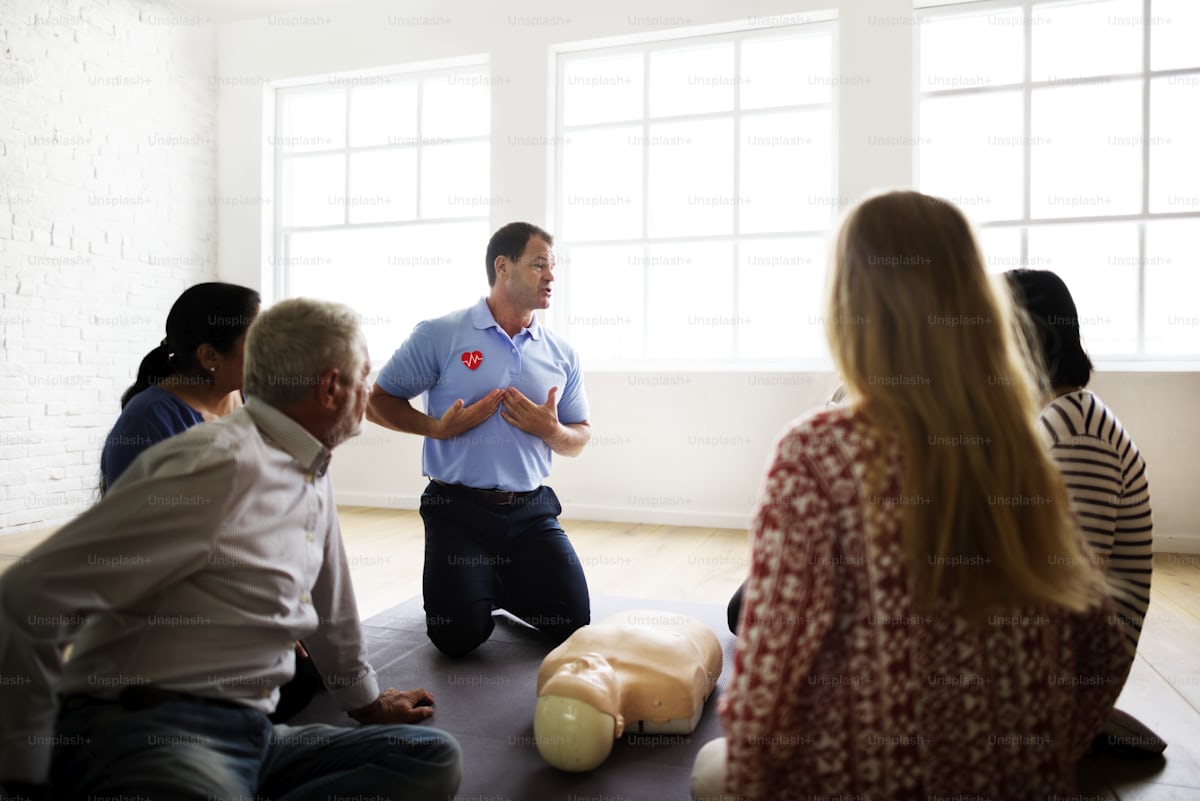
Children and vulnerable individuals rely on adults for protection, guidance, and immediate support during emergencies. Whether at home, in classrooms, or within care facilities, accidents and sudden health issues can arise without warning. First aid education equips parents, teachers, and caregivers with practical skills to respond effectively, ensuring safety and well-being in everyday environments. Enrolling in a first aid course Cannon Hill, helps caregivers gain the confidence and knowledge needed to act quickly when a child or dependent person requires urgent assistance.
Understanding The Unique Risks In Care Environments
Homes, schools, and childcare settings are active spaces where falls, cuts, allergic reactions, and breathing difficulties may occur. Children are naturally curious and energetic, increasing the likelihood of minor injuries. Elderly individuals and those with health conditions may also face mobility challenges or medical episodes.
First aid training helps caregivers recognise potential hazards and respond appropriately when incidents occur. Awareness of risks allows adults to create safer environments while remaining prepared for unexpected situations.
Responding To Falls And Minor Injuries
Falls are among the most common incidents involving children and older adults. While many falls result in minor bruises, some may lead to sprains or fractures. First aid training teaches caregivers how to assess injuries, provide comfort, and limit movement when necessary.
Participants in first aid training Cannon Hill programs learn to monitor swelling, support injured limbs, and determine when medical evaluation is required. Prompt care helps prevent complications and reduces discomfort.
Managing Cuts, Scrapes, And Bleeding
Small cuts and abrasions frequently occur during play, sports, or daily activities. In order to stop infection and encourage healing, wounds must be properly cared for. First aid training emphasises cleaning wounds, applying sterile dressings, and monitoring for signs of infection.
Knowing these methods allows carers to treat children right away, lowering the chance of problems and facilitating a speedy return to regular activities.
Assisting During Choking And Breathing Difficulties
Choking incidents can happen unexpectedly, particularly among young children. Knowing how to recognise airway obstruction and respond promptly is critical. First aid training provides step-by-step guidance on assisting individuals who are choking and maintaining clear airways.
Understanding breathing distress signs allows caregivers to act quickly and ensure oxygen flow is maintained until further help is available.
Recognising Allergic Reactions And Medical Conditions
Allergic reactions, asthma attacks, and other medical conditions may arise in school or home settings. Early recognition of symptoms such as swelling, rash, difficulty breathing, or dizziness allows caregivers to respond promptly.
Training helps caregivers remain calm while providing support and seeking appropriate medical assistance. Quick action can prevent symptoms from escalating into life-threatening situations.
Supporting Emotional Reassurance During Emergencies
Children and vulnerable individuals often feel frightened during emergencies. A calm and reassuring caregiver can reduce anxiety and help maintain a sense of safety. First aid training encourages clear communication and comforting techniques that support emotional well-being during stressful situations.
Providing reassurance helps stabilise emotions while medical care is administered.
Creating Safer Learning And Living Environments
Caregivers who complete the first aid Cannon Hill instruction often become more proactive about safety. They identify potential hazards, maintain safe play areas, and ensure first aid supplies are accessible. Preventive measures help reduce accidents and promote a secure environment.
In educational settings, trained staff contribute to school safety policies and emergency preparedness plans, enhancing overall protection for students.
Building Confidence To Act Without Hesitation
Emergencies require quick decisions and clear action. First aid training replaces uncertainty with practical knowledge, enabling caregivers to respond confidently. Hands-on practice helps participants become comfortable with techniques, ensuring they are ready to assist when needed.
Confidence encourages immediate response, which can significantly improve outcomes.
Encouraging Preparedness Among Families And Staff
When caregivers understand first aid, they often share knowledge with family members and colleagues. This collective preparedness strengthens safety networks and ensures that multiple individuals are ready to assist during emergencies.
Prepared households and institutions create environments where safety and well-being are prioritised.
A Lifelong Skill For Protecting Those In Your Care
First aid training provides essential skills that help parents, teachers, and caregivers protect those who depend on them. The ability to respond quickly to injuries and health emergencies supports recovery, reduces complications, and promotes peace of mind.
By learning first aid techniques, caregivers contribute to safer homes, classrooms, and care environments. Their preparedness ensures that when unexpected situations arise, immediate help is available to protect and support those in their care.
