

Introduction: The Ghost in Your Old Machine
Unboxing a new device is exciting faster phone, cleaner laptop, smarter watch. But the moment you upgrade, one question follows fast: what happens to the old one?
Most people toss it in a drawer, drop it off at a recycling center, or donate it without a second thought. But this routine choice carries serious risks. In one documented case, improperly discarded hard drives from a major healthcare provider exposed confidential information belonging to over 100,000 people, resulting in massive regulatory fines and long-term legal consequences.
Hidden inside every outdated device is a digital shadow of your life—photos, passwords, financial records, GPS history, even biometrics. Simply getting rid of it doesn’t erase your digital footprints. Before you dispose of your next gadget, it’s critical to understand that what looks like trash to you can be a treasure for hackers.
Here are the five surprising truths that reveal why secure and responsible e-waste disposal matters more than ever.
1. “Deleting” Your Data Is an Illusion
One of the most dangerous misunderstandings in the digital age is believing that hitting delete or performing a factory reset wipes your device clean. In reality, these actions only tell the operating system that the storage space is available for new data—but the original information remains fully recoverable.
Even damaged devices can be resurrected with:
- Free data-recovery software
- Low-cost forensic tools
- Professional extraction techniques
This means selling a used phone, laptop, or hard drive without proper data sanitization is essentially handing over years of personal history—photos, tax records, saved passwords—to a stranger.
As cybersecurity specialists warn:
“Even if you think you’ve cleared your device, chances are you haven’t.”
This is why partnering with a trusted provider offering secure Electronic waste disposal is essential—not just for compliance, but for personal protection.
2. Your Data Lives in Unexpected Places
Most people assume only laptops and phones hold sensitive data. The reality is far more alarming. Modern households are filled with devices quietly storing recoverable information.
Common overlooked data-storing devices include:
- Printers & copiers → store scanned pages
- Smartwatches → track health and location
- Routers & modems → log network configurations
- Smart home devices → record audio and usage patterns
- Cars with onboard computers → retain navigation and driver profiles
IoT adoption means everyday objects have become data vaults. A smart thermostat or voice assistant can contain enough information to profile an entire household.
As technology becomes more embedded in our lives, secure disposal is no longer optional—it’s a core component of digital safety.
To understand disposal standards in more depth, explore our
Comprehensive Guide to E-Waste Recycling and Disposal.
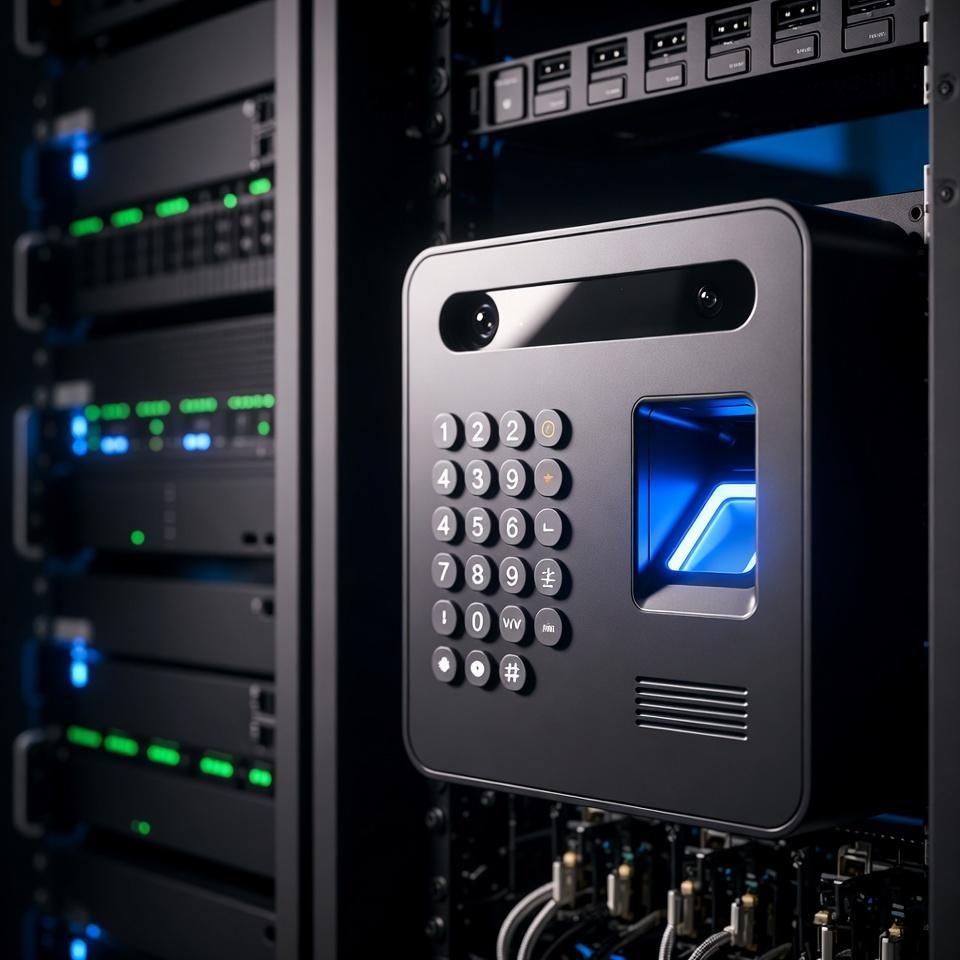
3. Biometric Data: The Password You Can’t Change
Using a fingerprint or facial scan to unlock a device feels advanced and secure—until the data is stolen. Biometric identifiers include:
- Fingerprints
- Facial recognition data
- Iris and retinal scans
The critical difference between biometrics and passwords is permanence.
You can reset a login in seconds.
You cannot reset your fingerprint.
This means a compromised biometric identity:
- Creates a lifelong security risk
- Enables spoofing across banking and government systems
- Cannot be reversed once breached
As experts explain:
“Unlike passwords, biometric identifiers are permanent. Once stolen, they can’t be changed—that makes secure disposal and recycling more critical than ever.”
Any device containing biometric hardware—phones, laptops, door access pads—must be recycled through a certified, secure process.
4. E-Waste: A Small Pile of Tech, a Mountain of Toxins
Most people think of e-waste as clutter—but the environmental impact is catastrophic. Although electronics make up a small percentage of landfill volume, they are responsible for a massive share of toxic leakage.
According to environmental data:
- E-waste represents only about 12% of landfill material
- But contributes around 70% of toxic pollutants
These toxins include:
- Lead
- Mercury
- Cadmium
- Arsenic
- Flame-retardant chemicals
When electronics break down in landfills, hazardous substances leach into soil and groundwater, creating long-term ecological harm and human health risks.
Responsible recycling is not only about protecting data—it’s a critical environmental obligation.
Secure e-waste recycling prevents:
- Toxic contamination
- Illegal dumping
- Global waste trafficking
This transforms the conversation from decluttering to planetary protection.
5. Your Old Gadgets Are a Literal Gold Mine
There is a hopeful side to e-waste: it contains valuable, recoverable materials.
Electronic devices include:
- Gold
- Palladium
- Copper
- Aluminum
- Rare earth elements
When properly recycled, these materials re-enter manufacturing supply chains and reduce the need for resource-intensive mining.
As one recycling expert notes:
“The boards inside your computer have small amounts of precious metals like palladium and gold—materials we will never get back if they go to landfill.”
This creates a circular economy, where waste becomes a renewable resource rather than environmental damage.
Secure recycling protects:
- Your data
- Your identity
- The planet’s natural resources
Conclusion: Securing Your Digital Legacy
Disposing of old electronics is no longer a simple task. Improper e-waste disposal leads to:
- Data breaches
- Identity theft
- Regulatory penalties
- Environmental contamination
Responsible disposal is now a non-negotiable part of digital citizenship—whether you’re an individual, business, or institution.
Before your next device reaches the end of its life, ask:
- Does it contain recoverable data?
- Does it store passwords, biometrics, or network access?
- Am I using a certified, secure disposal service?
- Can the materials be recycled instead of landfilled?
Your devices hold your digital legacy from first use to final retirement—and protecting that legacy is your responsibility.
As technology becomes more integrated into every aspect of life, we face a new challenge:
How can we build a more secure and sustainable relationship with the devices that define our world?
The answer begins with awareness and ends with responsible action.
